
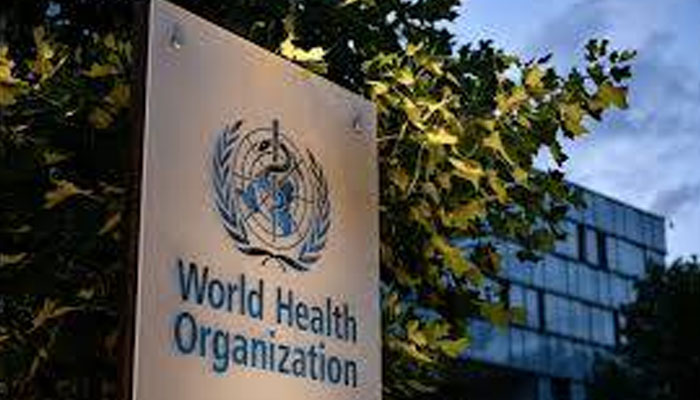
WHO Eyes Final Push to Complete Pandemic Treaty Framework
Countries have until the next World Health Assembly in mid-May to finalize PABS.

ISLAMABAD: The World Health Organization (WHO) said that countries are in a strong position to finalize the critical missing component of the pandemic treaty, which will determine how vaccines and other benefits are shared globally.

In April, WHO member states reached a landmark Pandemic Agreement aimed at improving global coordination, surveillance, and equitable access to vaccines, tests, and treatments in future health crises, following lessons from Covid-19.
However, the treaty’s central mechanism—the Pathogen Access and Benefit-Sharing (PABS) system—was deferred to allow agreement on the broader deal. PABS governs how countries share access to pathogens with pandemic potential and how resulting benefits, such as vaccines, treatments, and tests, are distributed.
Countries have until the next World Health Assembly in mid-May to finalize PABS. The assembly, WHO’s annual decision-making body, will then oversee ratification, requiring 60 member states for the treaty to enter into force.
Read more: WHO and UNAIDS Call for Urgent Action as HIV Infections Continue to Rise in Pakistan
“This is both a generational opportunity and a generational responsibility,” WHO chief Tedros Adhanom Ghebreyesus said after a week of negotiations. “We are in a strong position to forge consensus, finalize the draft, and prepare for adoption at next year’s World Health Assembly. Together, we are moving toward a world that is better prepared for future pandemics.”
The fourth round of talks is scheduled for January 20-22, with co-chairs expressing confidence. Matthew Harpur said progress has been made toward enabling a faster, more equitable response to pandemics, while Brazil’s Ambassador Tovar da Silva Nunes added that a strong and balanced PABS system will benefit all people.
The completion of the PABS system will mark the final step before the full treaty can be ratified, promising a coordinated global framework for pandemic preparedness.




Comments are closed, but trackbacks and pingbacks are open.