

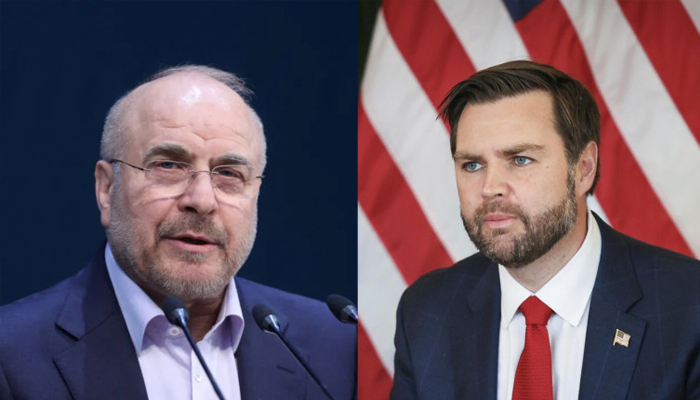
US–Iran Talks: Ceasefire Ambiguity Persists
(By Dr. Muhammad Tayyab Khan Singhanvi, Ph.D)

In the complex and layered realm of global diplomacy, certain moments emerge that are not merely transient developments but carry the potential to shape future geopolitical directions. The proposed high-level direct negotiations between the United States and Iran in Islamabad represent one such delicate yet decisive phase. On the surface, this may appear to be a routine diplomatic engagement; however, in reality, it is deeply rooted in regional power rivalries, competing global interests, and a prolonged pursuit of peace and stability.
Pakistan’s decision to host this sensitive diplomatic initiative reflects far more than a ceremonial or administrative role it signifies a proactive and purposeful strategy. At a time when global politics is increasingly defined by polarization, mistrust, and proxy conflicts, Islamabad’s attempt to position itself as a “facilitator of peace” marks a noteworthy development. This underscores Pakistan’s ability not only to comprehend the intricacies of regional dynamics but also to play a constructive role in addressing them. It is both a sign of growing diplomatic confidence and an indication of the gradual maturity and self-assurance of Pakistan’s foreign policy.
However, alongside this promising initiative, several important questions persist. The terms of the ceasefire, their interpretation, and reports of alleged violations have become subjects of ongoing discussion within diplomatic circles. The ambiguity surrounding developments in Lebanon, in particular, highlights a crucial reality: ceasefires cannot remain confined to written agreements alone; their effectiveness depends on practical implementation and alignment with ground realities. This is where diplomacy must move beyond rhetoric and demonstrate tangible strategic coherence.
The statement by officials in Islamabad “everything is fine now” may appear simple, yet it carries multiple layers of meaning. On one hand, it reflects confidence; on the other, it reveals diplomatic caution. In such sensitive matters, excessive transparency can complicate ongoing negotiations, which is why carefully measured and somewhat ambiguous statements are often preferred to ensure that the process remains uninterrupted. This also explains the high degree of confidentiality surrounding the entire engagement.
It is equally important to recognize that peace processes of this nature rarely unfold without external pressures or interference. References to possible sabotage attempts by actors such as Israel indicate that the Middle Eastern conflict is not limited to a few primary stakeholders; rather, it involves numerous overt and covert participants. In such an environment, sustaining a ceasefire and transforming it into meaningful dialogue requires a highly delicate balance.

The two-week ceasefire, reportedly supported by Pakistan, is undoubtedly a positive step. However, its sustainability depends on several factors, including the intentions of the involved parties, the stance of global powers, and evolving ground realities. Historical precedents suggest that temporary ceasefires often fail to translate into lasting peace, largely because the underlying disputes remain unresolved. Therefore, it is essential to view this development not as a temporary pause, but as an opportunity to move toward a comprehensive political resolution.
For Pakistan, this represents both a significant opportunity and a critical test. If successful, these negotiations could not only help reduce regional tensions but also strengthen Pakistan’s global image as a responsible and effective mediator. Conversely, failure could have repercussions beyond regional politics, potentially affecting the country’s diplomatic credibility. This explains the careful and measured approach being adopted by Pakistani officials.
Another crucial dimension of this process is trust-building. Relations between the United States and Iran have long been strained, and the prospect of direct negotiations itself marks a meaningful breakthrough. In this context, Pakistan’s role resembles that of a bridge connecting two opposing sides. The durability and strength of this bridge, however, will depend not only on Pakistan’s diplomatic skill but also on the sincerity and commitment of both parties.
Furthermore, the limited availability of information and the strict confidentiality surrounding the process highlight its sensitivity while also posing challenges for analysts. The few signals that have emerged suggest that the situation remains in a transitional phase characterized by cautious optimism but lacking complete clarity. In such a context, drawing definitive conclusions would be premature.
In conclusion, the proposed negotiations in Islamabad are far more than a routine diplomatic exercise; they are part of a broader geopolitical process with potentially far-reaching implications. Their success or failure will influence not only US–Iran relations but also the overall stability of the region. For Pakistan, this moment represents both an opportunity and a test one that will determine how effectively it can navigate this delicate balance and contribute to the foundation of lasting peace.

Comments are closed, but trackbacks and pingbacks are open.