
UN Warns HIV Fight Threatened by Aid Cuts
Global HIV Response Faces Risk Following International Aid Reductions

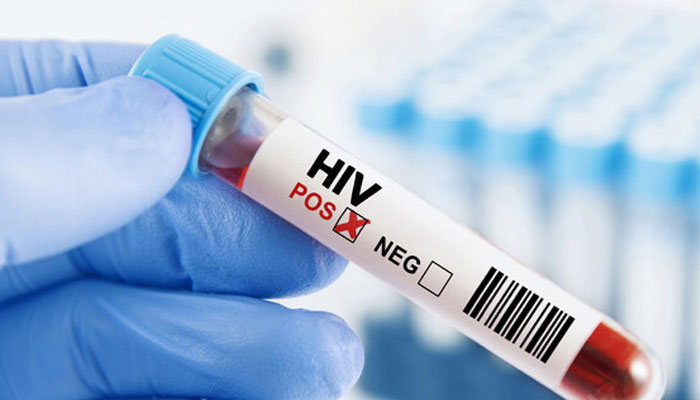
Global efforts to combat HIV are facing a serious setback following major cuts in international aid, with the United Nations warning that decades of progress against the disease could be at risk.
Winnie Byanyima, Executive Director of UNAIDS, said the world is witnessing the most significant disruption to HIV response efforts since the global fight against the disease began.
The warning comes after the administration of Donald Trump reduced international assistance programs, including major cuts to the United States Agency for International Development. Several countries, including the United Kingdom, France and Germany, also reduced aid spending, placing additional pressure on global health initiatives.
According to a new UNAIDS report, the number of people using pre-exposure prophylaxis (PrEP), a key HIV prevention medication, dropped by 38 percent across 62 countries between 2024 and 2025. HIV testing rates in some of the most affected countries also declined significantly.
Nishtar Hospital HIV Surgery: 10 Medics Suspended
The report found that funding for condom distribution fell by more than 90 percent, while financial support for HIV prevention programmes declined by approximately 80 percent, severely affecting community-based organisations that provide essential services to vulnerable populations.
UNAIDS warned that the consequences of these funding reductions may become more visible in the coming years, as lower prevention and testing rates could contribute to an increase in new HIV infections.
Despite the challenges, more than 50 countries have pledged to increase domestic funding for HIV programmes. However, UNAIDS says these commitments are unlikely to fully compensate for the loss of international assistance.
The report estimated that there were around 570,000 AIDS-related deaths and 1.2 million new HIV infections worldwide last year. While both figures represent improvements compared to previous years, the world remains off track to achieve the United Nations goal of ending AIDS as a public health threat by 2030.
UNAIDS has called for renewed global cooperation, greater investment in prevention programmes and wider access to innovative treatments such as Lenacapavir to sustain progress against the epidemic.
Comments are closed, but trackbacks and pingbacks are open.