
UN Expert Warns Persons with Albinism Remain Overlooked in Pakistan’s Human Rights and Development Policies
UN Expert Raises Concern Over Exclusion of Persons with Albinism in Pakistan

UN Expert Says Persons with Albinism Remain Invisible in Pakistan’s Human Rights and Development Agenda
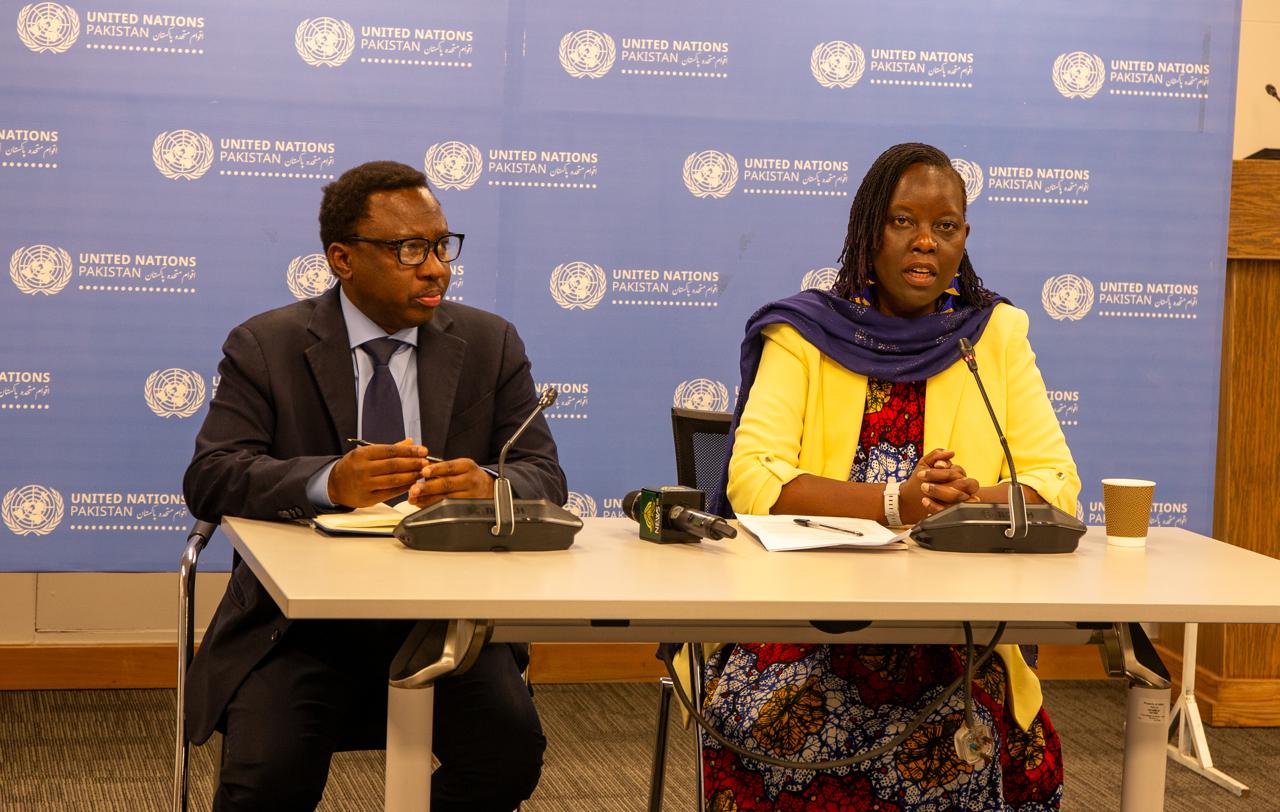
Islamabad-(Mudassar Iqbal/News Desk)-: The United Nations Independent Expert on the enjoyment of human rights by persons with albinism, Muluka-Anne Miti-Drummond, has expressed concern that persons with albinism continue to be largely overlooked in Pakistan’s policies, development programmes and data collection systems.
Speaking at the conclusion of her official visit to Pakistan, the UN expert stated that although persons with albinism are highly visible because of their physical appearance, they remain “invisible” in efforts aimed at ensuring that no one is left behind in the implementation of human rights commitments and the Sustainable Development Goals.
She highlighted persistent challenges in education, healthcare, employment and social inclusion, noting that misconceptions and a lack of awareness continue to affect the lives of persons with albinism. The expert also emphasized the absence of disaggregated data, making it difficult to assess the true scale of albinism and the specific challenges faced by affected communities.
Miti-Drummond commended the Pakistan Albinism Society for its efforts and urged the Government of Pakistan and development partners to strengthen support mechanisms, improve data collection and adopt evidence-based policies to address inequalities.
UN Report Highlights Challenges Faced by Persons with Albinism in Pakistan
A preliminary report released by UN Independent Expert Muluka-Anne Miti-Drummond has highlighted significant challenges faced by persons with albinism in Pakistan, particularly in the areas of education, healthcare, employment and climate resilience.
The expert visited Pakistan from June 2 to 12, 2026, holding consultations with government officials, healthcare professionals, researchers, civil society organizations and persons with albinism in Islamabad, Karachi, Dadu, Lahore and Sahiwal.
According to the report, Pakistan lacks comprehensive official data on albinism. While estimates suggest that around 30,000 people may be living with the condition, the actual number could be significantly higher.
The report notes that many persons with albinism face difficulties obtaining disability certification and accessing related benefits. Awareness regarding available support services remains limited, while inconsistencies in implementation across provinces further complicate access to assistance.
Healthcare challenges were identified as a major concern. Persons with albinism often require specialized dermatological, ophthalmological and oncological services due to increased vulnerability to skin cancer and visual impairments. However, access to specialized care, sunscreen and assistive devices remains inadequate for many families.
In the education sector, the report found that reasonable accommodations for students with low vision are often unavailable, limiting educational opportunities and contributing to school dropouts. Employment discrimination and weak implementation of disability quotas were also cited as barriers to economic inclusion.
The expert further warned that climate change poses a disproportionate risk to persons with albinism, particularly in areas experiencing extreme heat and high ultraviolet radiation. Despite these risks, persons with albinism remain largely absent from climate adaptation and disaster response policies.
The UN expert is expected to present her full report and recommendations to the UN Human Rights Council in March
Comments are closed, but trackbacks and pingbacks are open.