

UN Appeals for $23 Billion as Funding Plummets Amid Rising Crises
UN Warns of Global Hunger and Violence Crisis

UNITED NATIONS: The United Nations on Monday launched a $23 billion humanitarian appeal, roughly half the amount it had sought last year, citing a sharp drop in donor funding at a time of unprecedented global need.
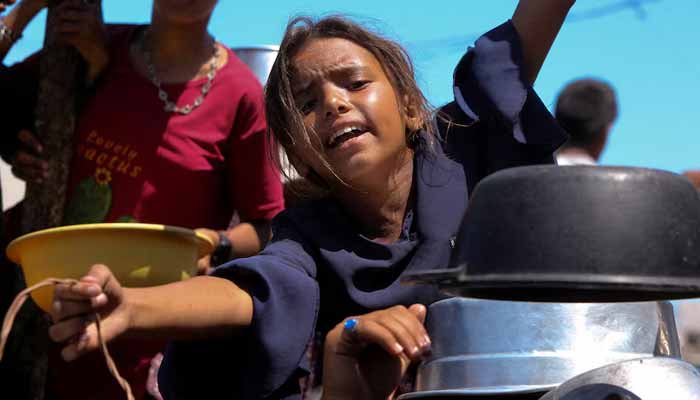
The reduced budget means tens of millions of people in urgent need will go without assistance, as aid agencies are forced to prioritize only the most critical cases. UN aid chief Tom Fletcher described the situation as “tough, brutal choices,” highlighting the challenges faced by staff working in conflict zones with limited resources.
“We are overstretched, underfunded, and under attack,” Fletcher said. “We drive the ambulance towards the fire, but there is not enough water in the tank, and we are being shot at.”
Last year, the UN had sought $47 billion for 2025, but pledges fell short as major donors, including the United States and Germany, reduced their contributions. As of November, only $12 billion had been received, the lowest in a decade, covering just over a quarter of global humanitarian needs.

Read more: Transporters in Punjab Announce Strike Over Heavy Fines
The 2026 plan identifies 87 million people as priority cases, but around 250 million worldwide require urgent aid. The UN aims to assist 135 million people at a projected cost of $33 billion, depending on funding availability.
The largest single appeal, $4 billion, is for the occupied Palestinian territories, primarily Gaza, which has been devastated by a two-year Israel-Hamas conflict. Other major appeals include Sudan and Syria.
Fletcher warned that the world faces worsening hunger, disease outbreaks, and record levels of violence. “The appeal is laser-focused on saving lives where the shocks hit hardest: wars, climate disasters, earthquakes, epidemics, and crop failures,” he said.
The UN remains heavily reliant on voluntary donations from Western countries. The United States continues to be the top historical donor, although its share of contributions dropped from over one-third to 15.6% in 2025 following funding cuts.

Comments are closed, but trackbacks and pingbacks are open.