

The Call for Change Rising from Minar-e-Pakistan: “Transform the System”
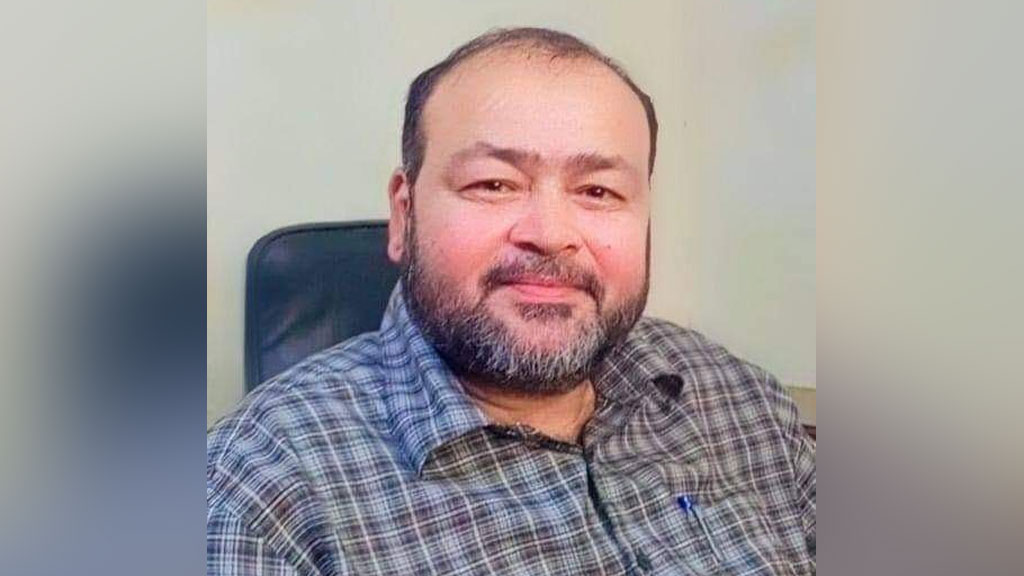
(By Dr. Muhammad Tayyab Khan Singhanvi, Ph.D)

In the vast expanse surrounding Minar-e-Pakistan, amid the sweep of cold December winds, a scene gradually unfolded: the arrival of caravans from far-flung corners of the country for a three-day Ijtema-e-Aam. From the barren mountains of Balochistan to the snow-laden valleys of Gilgit-Baltistan, from the shores of Karachi to the rugged pathways of Khyber, these caravans advanced with renewed anticipation, a fresh resolve, and an unwavering insistence that Pakistan deserves a system shaped in the light of the Qur’an and Sunnah one grounded in justice, dignity, and freedom from corruption. Under the leadership of Hafiz Naeem ur Rehman, this major congregation marked a new chapter in the long tradition of Jamaat-e-Islami’s national gatherings.
One striking feature of the event was the transformation in its ambience. This time, Jamaat-e-Islami was not merely demonstrating street power; it was unmistakably presenting itself as a digitally empowered, corporate-style organization. Workers communicated through walkie-talkies, technologies were employed at every management tier, the stage structure was engineered to unprecedented height, lighting arrangements illuminated the grounds with near-corporate grandeur, and thousands received coordinated messaging in real time evoking the atmosphere of a high-profile corporate convention. For years, we have written that national political parties must sustain their internal dynamism by conducting district- and province-level conventions to incorporate grassroots feedback. This event stands as a conscious attempt to revive that tradition through contemporary organizational practices.
The dense congestion of vehicles encircling Minar-e-Pakistan indicated that participants had not arrived from a single class, nor from a particular region. Speakers of every language and people of all ages represented a political party intent on restructuring Pakistan’s political, social, economic, educational, and judicial frameworks. The slogan “Badal Do Nizam” “Change the System” was far more than an emotional chant; it was a comprehensive signal that the present system, entangled in inequities and persistent dysfunctions, no longer serves the nation.
The event’s thematic sessions were equally distinctive. The discussions on politics, economy, judiciary, healthcare, and education sectors long mired in institutional decay indicated that Jamaat-e-Islami is entering a renewed phase of policy formulation. The session on local governance was particularly significant, as the party has historically championed the empowerment of grassroots democratic structures. Likewise, the session on technology and “Digital Pakistan” reinforced the impression that the party is not ignoring the demands of a rapidly transforming world but is integrating them into its strategic blueprint.

Another important dimension was the participation of provincial leaders, each highlighting the challenges of their respective regions. The existence of a separate amirate for Karachi within Sindh pointed toward the province’s internal contradictions and administrative complexities. Meanwhile, the presence of the minority wing and representatives of various linguistic communities indicated that the party seeks to expand beyond its traditional identity and evolve into a more broadly national political entity. Senator Mushahid Hussain’s special lecture on global affairs added intellectual depth to the proceedings, emphasizing that Pakistan’s predicament is not limited to domestic dysfunction but is also shaped by pressures stemming from global political realignments.
A refreshing element of the Ijtema was the prominent space accorded to literature particularly poetry. While most major political parties have largely severed ties with poets and literary figures, Jamaat-e-Islami not only preserved this tradition but gave it vibrant expression. Renowned poets such as Anwar Masood, Khurshid Rizvi, Sehar Ansari, Anwar Shaoor, Shoaib bin Aziz, Saud Usmani, and others infused the stage with a dynamic intellectual energy through their revolutionary poems and ghazals. Abdul Rehman Momin’s exceptional compering reinvigorated the audience, transforming fatigue into spirited attention. It was evident that Jamaat-e-Islami’s supporters possess literary taste and sensitivity, as seen in their responses to poetic nuance and rhetorical intricacy.
Yet the central question remains: Does this congregation genuinely constitute a substantive foundation for system-wide transformation? The immaculate organization of the event certainly demonstrated that Jamaat-e-Islami commands a disciplined and cohesive workforce. However, Pakistan’s intricate constitutional, economic, and political crises cannot be resolved by organizational discipline alone. In a country where poverty and unemployment are rising, the judicial system is frail, the economy is strained under global pressures, and political polarization has reached unprecedented levels can Jamaat-e-Islami truly offer a platform that enables citizens to feel secure and represented?
The Ijtema was undeniably a massive public display. But whether it heralds a new political narrative or merely represents a powerful public assembly is a question that time alone will answer. Nonetheless, it would not be inaccurate to say that from Wahga to Gwadar, a wave of renewed consciousness has begun to permeate the party’s ranks. If Jamaat-e-Islami genuinely adapts to modern realities, mobilizes the vigor of its youth through coherent organizational strategy, and presents clear, actionable solutions to public problems, it could emerge as a renewed symbol of hope for the Pakistani populace.
But systemic transformation does not emerge from congregations alone it requires sustained political struggle, public trust, and demonstrable performance. This congregation may well prove to be a milestone toward that direction or it may remain only a magnificent spectacle. Ultimately, the verdict lies with the future.

Comments are closed, but trackbacks and pingbacks are open.