

Swiss Researchers Find Way to Detect Date-Rape Drug
New Biomarker Detects GHB in Urine for 72 Hours

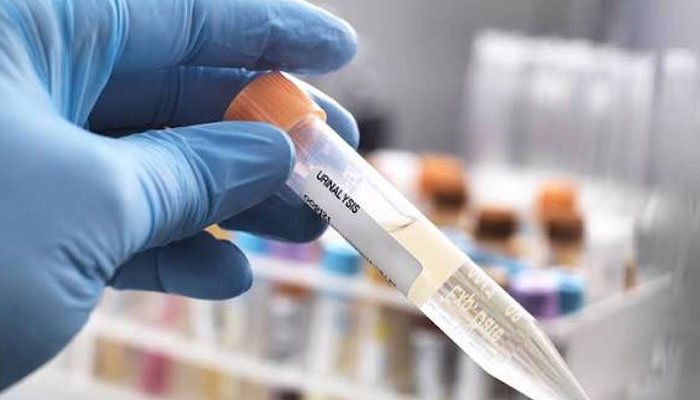
ISLAMABAD: (News Desk) – Swiss researchers have identified a new way to detect traces of gamma-hydroxybutyrate (GHB), commonly known as the date-rape drug, in urine for up to 72 hours after ingestion, potentially improving investigations into sexual assaults and drug-facilitated crimes.
The University of Zurich announced the findings in a statement published on Tuesday, saying the newly identified biomarker could reveal earlier GHB exposure even when the drug itself is no longer detectable through conventional testing.
“Every hour is critical when it comes to detecting the use of drugs used to render victims unconscious,” the university said.
GHB is sometimes secretly added to drinks to incapacitate unsuspecting victims. However, the drug is rapidly eliminated from the body, leaving investigators with a limited period to collect and test samples.
According to the University of Zurich, conventional testing can detect GHB for approximately six hours in blood and 12 hours in urine.
A research team led by Andrea Steuer at the university’s Institute of Forensic Medicine had identified a promising biomarker in 2021. Known as GHB-pentose, the compound consists of GHB combined with a sugar believed to be ribose.
Unlike GHB itself, the biomarker remains detectable in urine for a longer period following consumption.
The latest study found that GHB-pentose could remain detectable for up to three days after ingestion, making it the longest detection window reported so far for a direct GHB-related biomarker.
Published last week in the peer-reviewed journal Drug Testing and Analysis, the research examined 2,414 anonymised urine samples collected from actual forensic cases since 2024.
Researchers identified 14 samples in which GHB-pentose was detected despite measured GHB levels falling below the testing threshold.
In eight of those cases, details of the investigations supported suspicions that GHB had previously been consumed or administered.
The cases included three suspected criminal offences: two robberies and one alleged sexual assault. In these incidents, urine samples were collected 13 to 16 hours after the reported events.
Steuer said the findings provided the first evidence from real forensic cases that GHB-pentose could remain detectable beyond the conventional detection window for GHB.
However, the researchers cautioned that further work was needed to establish the method’s diagnostic reliability and determine the maximum detection period in individual cases.
Comments are closed, but trackbacks and pingbacks are open.