

SPARC Seeks Higher Tobacco Taxes, Stronger Cigarette Warnings
Tobacco Taxation and Digital Advertising Restrictions Discussed at Islamabad Dialogue

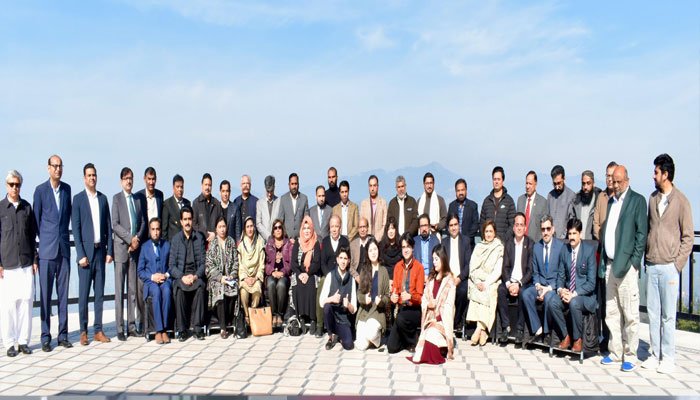
The recommendations were highlighted during a two-day consultative dialogue held in Islamabad, which brought together government officials and other stakeholders to discuss measures to reduce tobacco consumption and strengthen regulations governing tobacco and nicotine products.
Participants also stressed the need for effective regulation of emerging addictive tobacco and nicotine products, particularly their promotion through social media and digital marketing platforms.
Dr Muhammad Tahir Noor, Federal Secretary of the Ministry of Planning, Development and Special Initiatives, emphasised the importance of collective efforts to protect Pakistani children and young people from the harmful effects of tobacco. He highlighted the need for coordination, awareness and information-sharing among relevant stakeholders, describing the protection of younger generations as a shared responsibility.
He also appreciated SPARC for providing a platform for constructive dialogue and the exchange of views on tobacco control.
Umer Yar, Additional Commissioner-IR at the Regional Tax Office, Peshawar, briefed participants on taxation measures applicable to tobacco products, efforts to curb the smuggling of illicit cigarettes into Pakistan and the implementation of the Federal Board of Revenue’s (FBR) Track and Trace System at tobacco manufacturing facilities.
According to the briefing, approximately Rs328 billion was collected in Federal Excise Duty (FED) during the fiscal year 2025–26.
Ajaz Hussain, Director of the Tax Policy Office, said the office had been established within the Ministry of Finance to assess taxation policies in accordance with the principles of equity, efficiency and effectiveness.
He explained that the Federal Excise Duty imposed on cigarettes and their various substitutes was intended to discourage consumption, particularly among underage users. He added that any proposed change in taxation should be assessed in terms of its effectiveness and tax neutrality.
Dr Khalil Ahmad, Programme Manager at SPARC, called for the adoption of the World Health Organization’s MPOWER package, which comprises six evidence-based measures to reduce tobacco use.
He said tobacco consumption causes more than 192,000 deaths annually in Pakistan, while around 1,200 children aged between six and 15 start smoking every day.
Dr Ahmad stressed that every child has the right to grow up in a safe and healthy environment, free from tobacco exposure, marketing and nicotine addiction. He called for stronger tobacco taxation, comprehensive restrictions on Tobacco Advertising, Promotion and Sponsorship (TAPS), and larger graphic health warnings on cigarette packaging.
He also emphasised the need for effective implementation of tobacco-control measures, sustainable funding and coordination among government institutions and other stakeholders.
The dialogue further highlighted the need to restrict tobacco advertising, promotion and sponsorship across traditional and digital platforms, including point-of-sale displays, social media campaigns, brand promotion and sponsorship activities.
Participants also called for increasing graphic health warnings to 85% of the principal display areas on cigarette packs and regularly rotating warning images to improve public awareness of the health risks associated with tobacco use.

Comments are closed, but trackbacks and pingbacks are open.