

Punjab Faces Scrutiny Over Distribution of Govt-Funded Tablets
Officials have further confirmed that preparations are underway to purchase additional tablets

LAHORE: The Punjab Health Department has come under intense scrutiny following revelations that government-funded tablets are being distributed to Community Health Inspectors (CHIs) employed by private firms rather than permanent government servants.
According to a report, the Community Health Inspector programme was initially outsourced to a private firm on a contractual basis, under which the firm was responsible for managing operational resources. Despite this arrangement, the department has decided to purchase thousands of tablets using public funds, raising serious concerns over financial discipline, transparency, and governance.
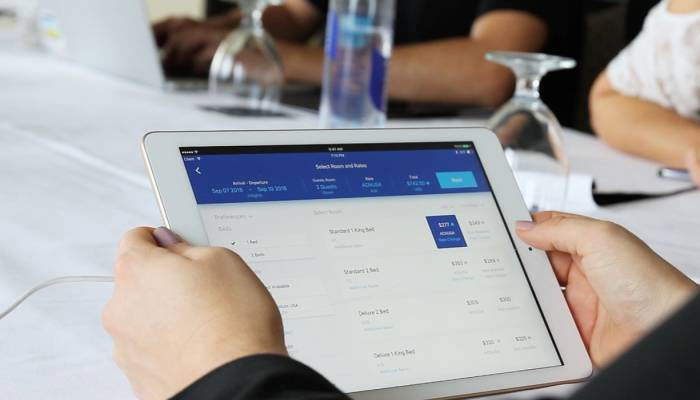
In the first phase alone, the Punjab government has procured 30,000 tablets at a cost exceeding Rs1.5 billion, placing a heavy burden on the public exchequer. Sources confirmed that the devices will be handed over to temporary and daily-wage employees hired by the private firm implementing the programme.
Criticism has intensified as the private contractor is already receiving substantial payments from the government for running the CHI programme. Despite this, the cost of equipment and digital tools is being borne entirely by the government, effectively shifting financial responsibility from the contractor to the public treasury.
Read more: Free health card facility rolled out in another region
Experts have warned that providing expensive electronic devices to non-permanent staff raises serious concerns about asset security, potential misuse, and accountability, particularly as these employees do not have long-term service bonds with the government. Questions have also been raised about liability in cases of loss, damage, or misuse of the tablets.
Officials have further confirmed that preparations are underway to purchase additional tablets, even though the inspectors remain on temporary contracts. The planned expansion is expected to further inflate costs, sparking doubts over whether proper needs assessments and cost-benefit analyses were conducted.
Governance experts and opposition figures have described the move as an example of poor oversight and administrative favoritism. They have called for an immediate audit of the procurement process and a comprehensive review of the outsourcing model.
Demands have also been made for the Health Department to clarify why government-owned assets are being provided to a private contractor and whether procurement rules and public finance regulations were followed. The controversy has triggered calls for accountability at the highest levels and a transparent inquiry to ensure public funds are being used in the public interest.


Comments are closed, but trackbacks and pingbacks are open.