
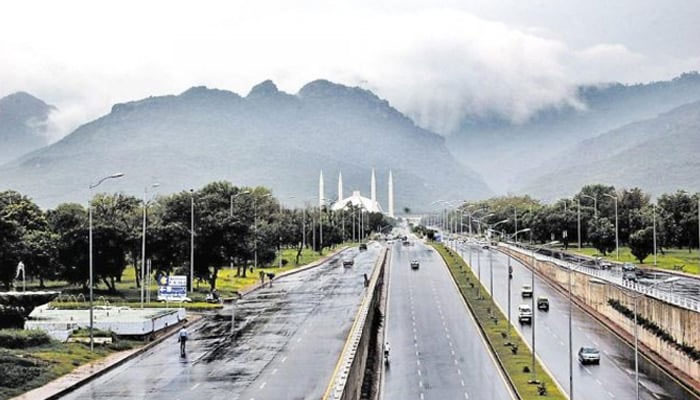

Pakistan and Azad Jammu & Kashmir offer remarkable tourism potential, enriched by stunning natural landscapes, deep historical heritage, and vibrant cultural traditions. Their mountains, valleys, and archaeological sites attract adventure seekers, nature lovers, and cultural enthusiasts, while tourism holds the power to generate jobs, reduce poverty, and uplift local communities. However, achieving sustainable tourism growth depends on responsible planning, strong infrastructure, environmental protection, and active public participation. Citizens play a key role in maintaining peace, safeguarding natural and cultural assets, and supporting eco-friendly development to help position these regions as leading global destinations.
Equally important is the public’s responsibility in shaping tourist experiences through positive behavior, environmental care, and cultural preservation. Courtesy, honesty, and cleanliness greatly influence visitors’ impressions, making it essential for locals, vendors, and service providers to uphold high standards of hospitality. Protecting nature through responsible waste disposal and avoiding damage to heritage sites helps maintain long-term tourism appeal. By showing respect for cultural diversity, participating in conservation, and fostering pride in local traditions, communities strengthen their identity and enhance the visitor experience. Frequent protests have a severely negative impact on tourism, so people should avoid treating demonstrations as a routine activity, as they harm both the tourism sector and the overall economy of Pakistan and AJK.
The influential role of social media and digital engagement has become undeniably significant in the contemporary process of shaping global perceptions regarding various tourism destinations. Today’s citizens wield unprecedented power to significantly influence how Pakistan and AJK are ultimately perceived on the international stage. Instead of circulating negativity, unverified false rumors, or content that promotes division online, the public is encouraged to constructively utilize various digital platforms to showcase the intrinsic natural and cultural beauty of their respective regions. The act of responsibly sharing high-quality photographs, compelling travel stories, and recounting positive experiences actively helps to capture the attention of global travelers and potential investors. Local figures such as vloggers, photographers, and key social media influencers have already demonstrated a crucial role in successfully changing negative perceptions about Pakistan by meticulously highlighting its underlying safety, inherent hospitality, and cultural diversity. Every individual possesses the capacity to contribute meaningfully to this digital movement by judiciously and responsibly using social media channels to promote a positive, authentic, and truthful image of their cherished homeland.

Furthermore, public cooperation with governmental and private sector initiatives remains absolutely vital for the advancement of tourism development. When new, necessary projects such as the construction of resorts, the development of new roads, or the establishment of recreational facilities are formally introduced, local communities must demonstrate support for this progress rather than offering resistance motivated by narrow political or personal biases. Genuine local participation serves as a crucial mechanism that ensures that all tourism development remains fundamentally inclusive and broadly beneficial for all stakeholders. The people also bear the responsibility of holding authorities constructively accountable—by proactively offering valuable feedback, actively participating in tourism awareness programs, and strongly encouraging transparency—instead of resorting to counterproductive and destructive protests. Meaningful, hands-on contributions, such as volunteering on local tourism committees, offering community-based homestay accommodations, and actively participating in organized cultural events, represent practical and effective ways in which citizens can directly contribute to the collective growth of the sector.
Equally paramount is the responsibility citizens must embrace to ensure the unwavering safety and ultimate comfort of all tourists. A truly tourist-friendly environment necessitates constant vigilance against crimes such as theft, various forms of harassment, or fraudulent activities. Local residents must be protective of visitors, guarding them from potential exploitation and ensuring they promptly report any concerning incidents to the appropriate authorities. The provision of accurate and reliable information, the guiding of travelers toward trustworthy and safe services, and the assurance that all women and families feel consistently secure and respected are indispensable aspects of responsible citizenship. When visitors feel genuinely secure and respected, they are inclined to not only increase their spending during their stay but also transform into invaluable ambassadors of goodwill, sharing their overwhelmingly positive experiences with others and thus powerfully encouraging further tourism.
Finally, there is a clear necessity for comprehensive economic awareness among the public regarding the tangible and profound benefits derived from tourism. Few people regrettably fail to fully appreciate just how deeply and positively tourism can impact their day-to-day lives and their local economies. From the farmers who sell their produce directly to restaurants, to the skilled craftsmen who create authentic souvenirs, and the drivers who offer reliable transport services—tourism generates a quantifiable ripple effect that benefits virtually every single sector of the economy. The resultant inflow of tourists naturally increases local business opportunities, exerts an upward pressure on property values, and invariably leads to significant improvements in crucial infrastructure such as roads, hospitals, and communications networks. When citizens fully recognize and internalize this direct and profound connection, they become intrinsically more motivated to actively protect and promote tourism because its growth directly and demonstrably translates into financial gains and an enhanced quality of life for their entire community.
The successful and lasting growth of tourism in Pakistan and AJK relies fundamentally not just on government policies or large-scale foreign investments, but most essentially on the collective sense of responsibility and dedication among the people. The foundation of a thriving tourism industry rests upon the pillars of peace, cleanliness, genuine hospitality, honesty, unwavering environmental care, and deep respect for culture. Instances of damaging protests and unnecessary violence must be thoughtfully supplanted by constructive dialogue and genuine cooperation, for every instance of internal unrest pushes the country further away from achieving its potential for economic stability and securing global recognition. The people of Pakistan and AJK must decisively embrace their essential role as the primary ambassadors of their homeland, actively working in concert to maintain peace, protect their inherent natural beauty, and consistently offer genuine, heartfelt hospitality. By collectively committing to these responsibilities, they possess the transformative power to elevate their regions into truly world-class tourist destinations that ultimately deliver enduring prosperity, profound national pride, and meaningful progress for all generations to come.

Comments are closed, but trackbacks and pingbacks are open.