

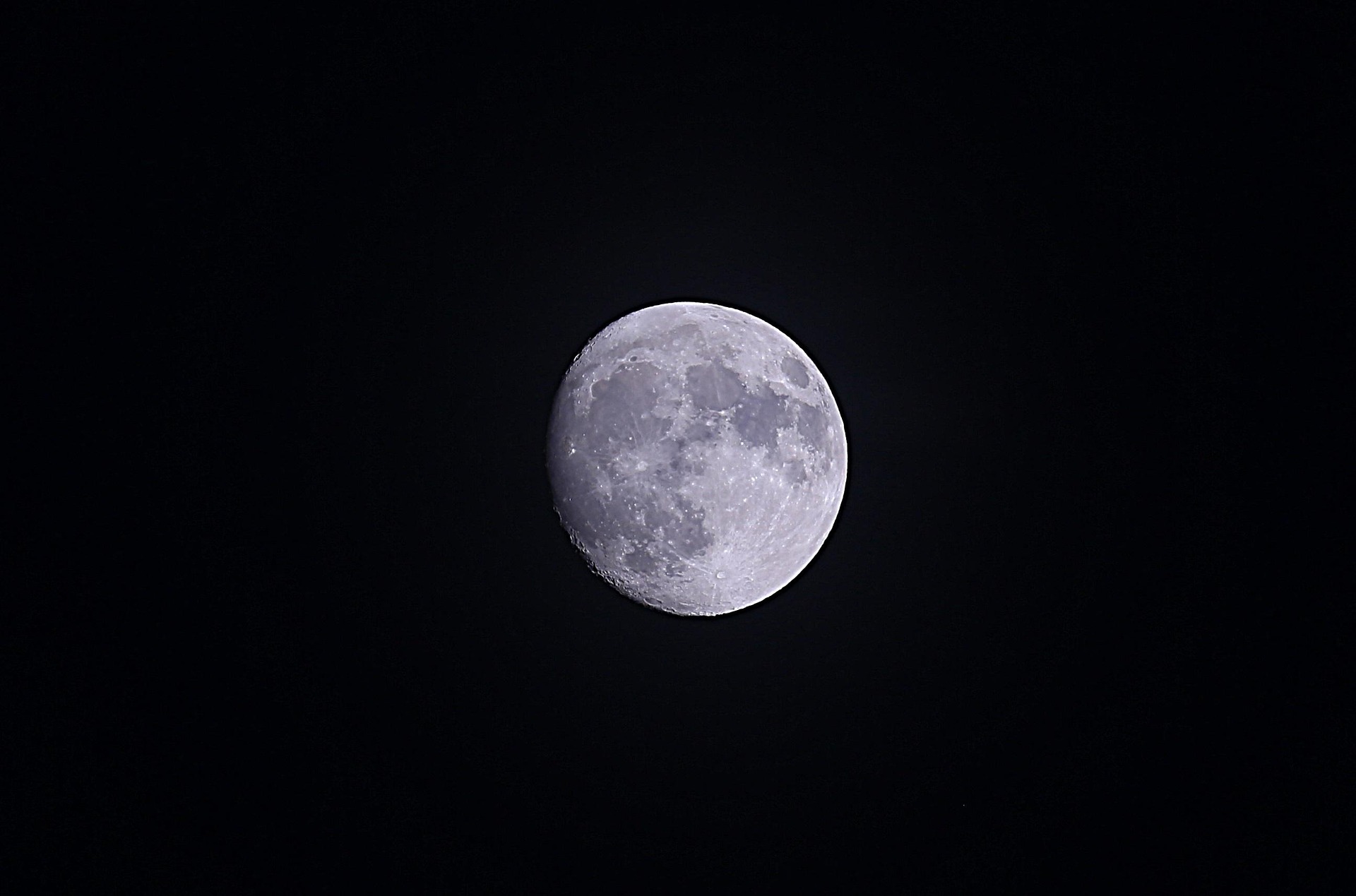
Pakistan to witness first supermoon of 2026 on Saturday, says space agency
Pakistan to witness Wolf Moon supermoon as Quadrantid meteor shower peaks, marking final supermoon until late 2026.

ISLAMABAD – (Special Correspondent / Web Desk) – Pakistan will experience its first supermoon of 2026 on Saturday evening, a rare skywatching event coinciding with the active Quadrantid meteor shower, the national space agency announced on Friday.
The supermoon, expected on January 3, will conclude a series that began in October 2025 and will also be the first such phenomenon of the New Year. A supermoon occurs when the full moon aligns with its nearest point to Earth, causing it to appear noticeably larger and brighter than normal.
“The January 3 supermoon, traditionally known as the Wolf Moon, marks the final supermoon of the ongoing cycle began in October 2025,” Pakistan’s national space agency, SUPARCO, said in a statement, adding that it also “simultaneously represents the first supermoon of 2026.”
The first supermoon of 2026, known as the Wolf Moon, will be visible on January 3. It will appear about 14% larger and 30% brighter than usual because it is at its closest point to Earth.
Details: https://t.co/YKlpKKIdHY pic.twitter.com/lXT6xxvMZt
— The Islamic Information (@IslamicInfoOff) January 2, 2026
The agency said the supermoon would rise in Pakistan at 5:51 p.m. local time on Jan. 3 and remain visible through the nights of Jan. 3 and Jan. 4, with illumination reaching 99.8 percent.

According to SUPARCO, the Moon will be at a distance of about 362,312 kilometers (225,130 miles) from Earth during the event, making it appear six to seven percent larger and up to 10 percent brighter than a typical full moon.
The astronomical significance of the event will be enhanced by its timing.
FWO keeps Pakistan–China trade link open via KKH amid winter
“The supermoon of Jan 3 offers an early highlight among the year’s celestial events such as coinciding with the peak activity of the Quadrantid meteor shower during the same time period,” the statement said.
SUPARCO noted that supermoons usually occur in clusters of three to four consecutive events and said the current cycle would conclude with Friday’s phenomenon.
“The next supermoon cycle starts in November 2026,” the agency said, adding that there would be no further supermoon after this until the end of 2026.

Comments are closed, but trackbacks and pingbacks are open.