
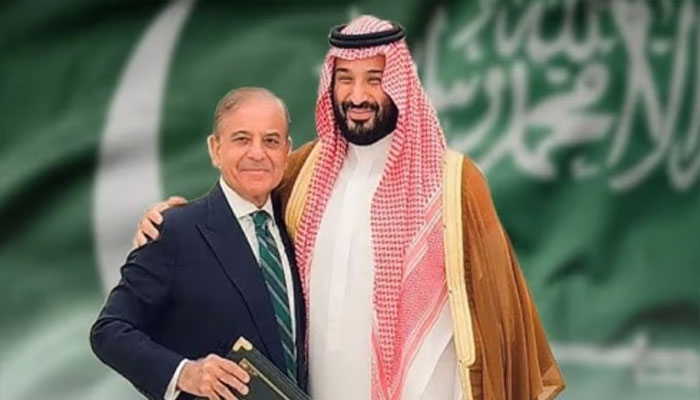

ISLAMABAD (Web Desk) – Amid growing economic pressure and rising regional tensions, Pakistan turned to Saudi Arabia seeking long-term financial support, and the government proposed converting existing $5 billion short-term deposits into a 10-year facility.
A report shared by a private TV channel said Pakistan formally presented eight major requests for long-term economic cooperation to Saudi Arabia, in a move that could significantly reshape its financial stability during a period of mounting economic pressure and geopolitical uncertainty.
One of the most critical proposals is converting the existing $5 billion short-term deposits provided by Saudi Arabia into a 10-year long-term financial facility. Such a shift would ease immediate pressure on Pakistan’s foreign exchange reserves and provide the country with much-needed financial breathing space.
Pakistan Forces Strike Militants Along Afghan Border

Another key request involves expanding the deferred oil payment facility currently offered by Saudi Arabia. Pakistan has asked that the program be increased dramatically from $1.2 billion to $5 billion, while also extending the repayment period, allowing the country to secure vital energy supplies without immediate financial strain.
The South Asian nation suggested securitizing up to $10 billion of remittances sent by overseas Pakistanis, a move aimed at unlocking additional liquidity for the economy. Officials said these proposals come at a time when Pakistan’s economic challenges are intensifying due to rising geopolitical tensions, particularly linked to the ongoing conflict involving Iran, which government sources claim has escalated during a war led by the United States and Israel against Iran.
At same time, Islamabad is engaged in high-stakes negotiations with the International Monetary Fund (IMF) to complete the third review of its $7 billion Extended Fund Facility (EFF) program, a crucial step for unlocking further financial support and stabilizing the economy.
Islamabad and Riyadh had already been in talks over a broader economic cooperation package, but the rapidly evolving regional situation has added urgency to these negotiations.

Comments are closed, but trackbacks and pingbacks are open.