
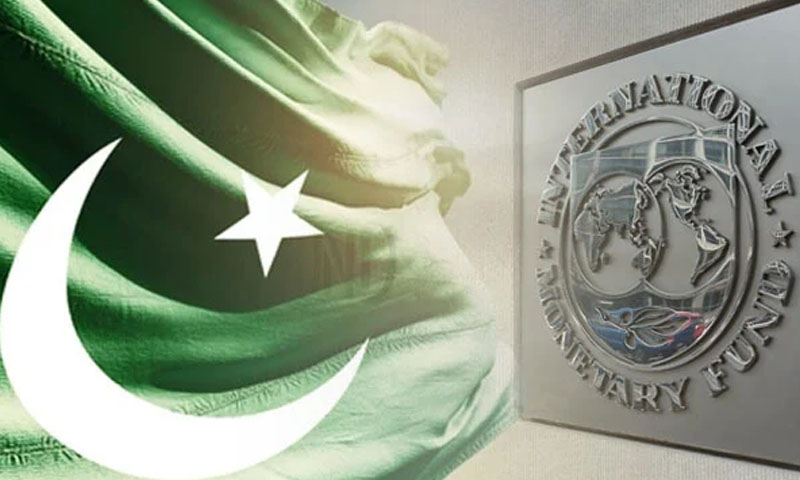
Pakistan Electricity Tariffs Set to Rise Sharply
IMF-Backed Power Tariff Overhaul Threatens Household Budgets

ISLAMABAD (Web Desk) – Electricity bills in Pakistan could rise significantly as the government moves forward with a sweeping power tariff overhaul under an IMF-backed programme aimed at stabilizing the country’s struggling energy sector. While the reforms are expected to ease costs for industries, middle- and lower-income households are likely to bear the heaviest burden.
The IMF is currently reviewing the proposed changes to ensure they align with Pakistan’s $7 billion Extended Fund Facility (EFF) agreement and do not destabilize the broader economy. Analysts warn that while industrial electricity rates may drop by 13–15%, saving around 102 billion rupees ($365 million) in subsidies, residential electricity bills for the middle class could increase by 50–76%, further straining household budgets.
UAE rolls over $2bn Pakistan loan before IMF review

Inflation, which spiked near 40% in 2023 before easing to 5.8%, could rise again if the tariff overhaul triggers higher energy costs for consumers. Experts caution that these changes may reignite price pressures just as families are recovering from prior economic shocks.
The government also revised its solar energy programme, cutting payments for electricity exported to the grid. This change shifts costs from roughly 466,000 solar households to 37.6 million grid-connected consumers. Prime Minister Shehbaz Sharif has called for an urgent review to prevent potential fallout.
Experts warn that higher fixed charges may drive some households to abandon the grid, posing long-term risks to the stability of Pakistan’s electricity system.

Comments are closed, but trackbacks and pingbacks are open.