

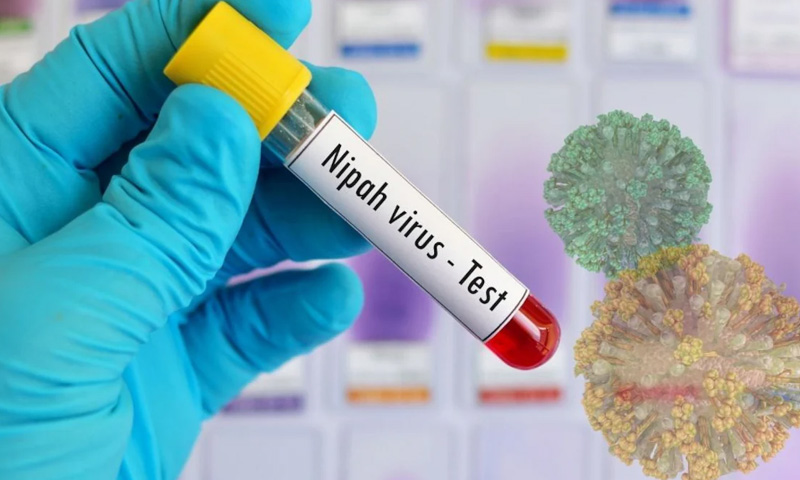
Nipah Virus: A Deadly Zoonotic Threat Pakistan Must Prepare For
High-Risk Nipah Virus Calls for Pakistan’s Immediate Public Health Action

Islamabad: Nipah virus (NiV), a highly lethal virus transmitted from animals to humans, has emerged as a serious public health concern across South and Southeast Asia. While outbreaks remain sporadic, the virus has a high mortality rate ranging from 40% to 75% and the potential for human-to-human transmission, making early detection and preventive measures essential for countries like Pakistan.
What Is Nipah Virus?
Nipah virus belongs to the Paramyxoviridae family and the genus Henipavirus. First identified in Malaysia during 1998–99, its natural reservoir is fruit bats (Pteropus species), also known as flying foxes.
Transmission and Causes
Humans can contract the virus through:
-
Direct contact with infected fruit bats
-
Consumption of food contaminated with bat saliva or urine, such as raw date palm sap
-
Contact with infected animals, particularly pigs
-
Human-to-human transmission via respiratory droplets or bodily fluids, especially in healthcare or household settings
Symptoms and Clinical Features
The incubation period ranges from 4–14 days, extending up to 45 days in some cases.
Early signs include fever, headache, body aches, sore throat, and vomiting. Severe infection can lead to acute encephalitis, confusion, seizures, coma within 24–48 hours, and respiratory distress in some patients.
Pakistan Strengthens Border Screening Amid Nipah Virus Alert
Diagnosis and Treatment
Diagnosis requires high-level biosafety labs using RT-PCR, ELISA for antibodies, or virus isolation. Specimens include throat/nasal swabs, blood, urine, and cerebrospinal fluid.

Currently, there is no specific antiviral treatment or approved vaccine. Management is supportive and includes ICU care, mechanical ventilation, encephalitis management, and strict infection control. Research continues on antivirals like ribavirin and monoclonal antibodies, though evidence is limited.
Prevention Measures
The most effective strategy is prevention:
-
Avoid raw date palm sap
-
Wash and peel fruits before consumption
-
Avoid fruits partially eaten by bats
-
Limit contact with sick animals
-
Use personal protective equipment when caring for patients
-
Isolate suspected cases promptly
WHO Guidelines and Recommendations
The World Health Organization (WHO) emphasizes early detection, rapid response, community awareness, infection prevention, and ongoing research for vaccines and therapeutics.
Pakistan’s Preparedness
Although no confirmed Nipah cases have been reported in Pakistan, the presence of fruit bats highlights the risk. Authorities are urged to:
-
Adopt a One Health approach coordinating human, animal, and environmental health
-
Monitor fruit bat populations
-
Train healthcare workers in early recognition and infection control
-
Establish PCR-enabled referral laboratories
-
Run public awareness campaigns, especially in rural areas
-
Conduct border health surveillance and outbreak simulations
Conclusion
Nipah virus poses a serious public health emergency. With no definitive treatment or vaccine, Pakistan’s best defense lies in preparedness, awareness, early detection, and strict preventive measures. Proactive steps today can prevent a potential high-mortality outbreak tomorrow.


Comments are closed, but trackbacks and pingbacks are open.