
Imran Khan’s Isolation Raises Alarms, Cricket World Silent
Imran Khan in Solitary Confinement as Global Cricket Remains Silent

ISLAMABAD / LONDON: (Web Desk) Imran Khan, Pakistan’s former prime minister and one of cricket’s most celebrated figures, is enduring what his family and international observers describe as severe and degrading prison conditions—raising alarm over human rights concerns and the silence of the global cricketing community.
Detained at Rawalpindi’s Adiala Jail, the 73-year-old is reportedly being kept in solitary confinement for up to 22 hours a day under constant surveillance, with limited access to family visits, reading material, and basic facilities. According to information shared with the United Nations, his cell—described as a so-called “death cell”—is poorly ventilated, lacks natural light, and is exposed to extreme temperatures and unhygienic conditions.
Khan’s sons, Kasim and Sulaiman, say the treatment amounts to psychological pressure designed to break their father’s resistance. They warn that his legal troubles continue to mount, with more than 200 cases filed against him, often replaced by new charges whenever one is overturned—prolonging his incarceration indefinitely.
A recent report by UN Special Rapporteur Alice Jill Edwards paints a bleak picture, citing weight loss, nausea, insect infestation and restricted access to basic necessities. While prison authorities deny wrongdoing, the family insists the conditions pose serious health risks.

Six PTI members keen to meet Imran Khan in jail
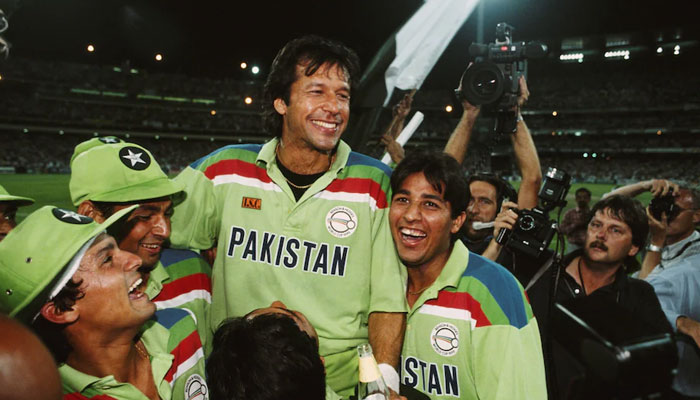
Once revered globally as the architect of Pakistan’s historic 1992 Cricket World Cup victory, Khan’s current ordeal has drawn little public response from major cricketing nations or governing figures, despite his status as a Hall of Fame inductee. His sons express disappointment at what they see as a troubling silence from the international sporting world.
Politically, analysts argue that Khan’s options are narrowing to either exile or strict house arrest—choices his family believes he would reject, seeing them as a betrayal of his political mission. Despite personal risk, his sons continue to lobby internationally, warning that time may be running out for meaningful intervention.
As concern grows over his health and isolation, the case of Imran Khan has become a stark symbol of Pakistan’s turbulent political landscape—where even its most iconic figures are not immune from prolonged imprisonment and contested justice.


Comments are closed, but trackbacks and pingbacks are open.