
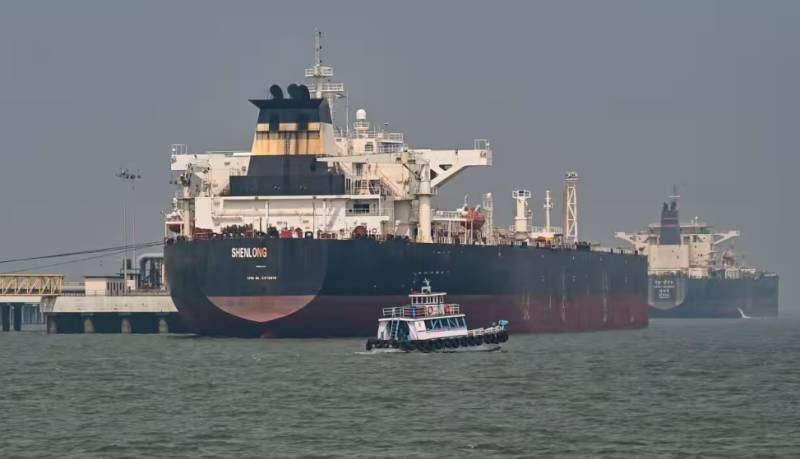

IMF – (Web Desk) – The International Monetary Fund (IMF) has sounded the alarm, saying that if the fighting in the Middle East keeps disrupting the flow of oil, gas, and fertilizer from the Gulf region, people around the world could end up paying more for everyday essentials while economic growth slows down.
The IMF made it clear that no continent will be spared. Rising energy and food costs could put a real dent in economic growth this year and may leave long-lasting damage on the global economy.
This warning came just hours after US President Donald Trump threatened to target Iran’s energy facilities unless a peace deal was reached. Many see the IMF’s message as a quiet nudge to the White House, reminding them of the very real impact this war could have on ordinary families already struggling to make ends meet.
Senior IMF officials, including chief economist Pierre-Olivier Gourinchas, also pointed out that governments already deep in debt will have very little financial room to protect their people from the fallout.
“No matter how this conflict unfolds, the result is likely the same — higher prices and slower growth,” the IMF said plainly.
While countries that export oil and gas, like the US, might actually benefit from rising fuel prices, most people worldwide will feel the pinch through higher petrol, diesel, and grocery bills. Businesses may be forced to raise their prices too, which could push central banks to hike interest rates to keep inflation in check.

The IMF also painted three possible scenarios: a short but sharp conflict that sends energy prices skyrocketing briefly, a long drawn-out war that keeps costs painfully high for import-dependent nations, or a middle ground where tensions simmer, energy stays expensive, and inflation becomes stubbornly difficult to control.
“Much depends on how long the conflict lasts, how far it spreads, and how much damage it inflicts on infrastructure and supply chains,” it said, adding: “Historically, sustained oil‑price spikes have tended to push inflation higher and growth lower.
About a third of fertiliser production travels through the Strait of Hormuz, pushing up prices. UN Food and Agriculture Organisation projections indicate that global prices could average 15% to 20% higher in the first half of 2026 if the crisis persists.
Natural gas prices have more than doubled in the UK since last December to about £140 a therm, while a barrel of Brent crude that cost about $60 before the conflict hit more than $116 on Monday before falling back to $112.
Forecasts for sharp rises in the cost of gas and electricity in Europe next winter are forcing governments to consider higher subsidies and welfare payments to the worst-affected households.
India’s false flag operation against Pakistan exposed by agencies
The IMF added: “In Europe, the shock is reviving the spectre of the 2021–22 gas crisis, with countries such as Italy and the UK especially exposed by their reliance on gas‑fired power, while France and Spain are relatively protected by their greater nuclear and renewables capacity.”

Comments are closed, but trackbacks and pingbacks are open.