

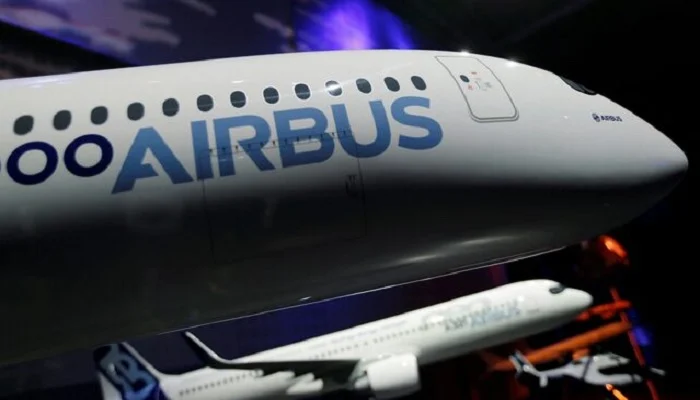

Airlines around the world scrambled on Saturday to fix a software glitch affecting Airbus A320 aircraft, after a partial recall by the European manufacturer led to hundreds of flight cancellations in Asia and Europe and raised concerns over potential disruptions in the United States during one of the busiest travel weekends of the year.
Regulators ordered airlines to apply the fix before resuming flights, prompting carriers to work through the night. By Saturday, major airlines including American Airlines, United Airlines, Delta Air Lines, Air India, and Wizz Air reported they had completed—or were close to completing—the required updates, with many saying their operations remained largely unaffected.
The swift response helped contain delays across Asia and Europe. In the U.S., where Thanksgiving holiday travel was peaking, Transportation Secretary Sean Duffy said affected airlines were making “great progress” and were on track to meet the Sunday midnight deadline, assuring travelers that they “should not expect any major disruptions.”
Aviation experts described the situation as manageable despite operational headaches. Analyst Brendan Sobie said the scenario was “not as chaotic as some people might think.”
Read more: Air India suspends flights to Washington; here’s why
Airbus CEO Guillaume Faury issued a public apology to airlines and passengers, acknowledging the impact of the recall, which affects more than 6,000 A320-family aircraft — over half of the global fleet.
The issue came to light after an October 30 JetBlue flight from Cancun to Newark experienced an unintended loss of altitude, injuring 10 passengers. French aviation authority BEA is investigating the incident, which has been linked to the affected software.

The alert arrived late in the day for European and Asian carriers, a period when A320s are typically not heavily scheduled, allowing time for repairs. In contrast, U.S. airlines received the alert during peak daytime operations ahead of Thanksgiving.
American Airlines, the largest A320 operator globally, said 209 of its 480 A320-family jets required the fix. United Airlines confirmed all its aircraft had already been updated. AirAsia said it aimed to complete repairs within 48 hours, while India’s regulator reported that IndiGo and Air India were finishing updates on Saturday. Japan’s ANA cancelled 95 flights, affecting 13,500 passengers.
Saudi airline Flyadeal said the timing of the recall helped them avoid major disruptions, completing updates on all 13 affected jets.
The required repairs involve reverting to an earlier version of software used to calculate the aircraft’s nose angle. Some older planes also require hardware replacement. Each fix takes two to three hours per aircraft, and planes cannot carry passengers until the work is complete.
By Saturday, Airbus informed airlines that fewer aircraft than initially expected would require hardware changes.
Despite the progress, aviation experts warn the recall is a costly and rare disruption for an industry already facing maintenance challenges due to global labor and parts shortages. Investigators are also assessing the possible role of solar radiation linked to the JetBlue incident.
UK-based aviation consultant John Strickland noted: “Any operational challenges that come at short notice and affect a large part of your operation are tough to deal with.”


Comments are closed, but trackbacks and pingbacks are open.