

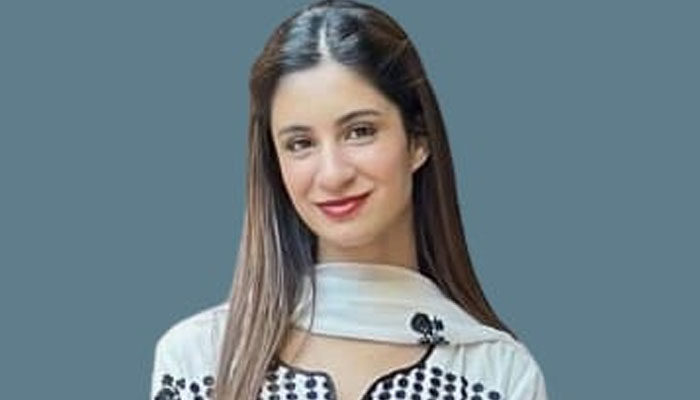
Gendered Narratives in Pakistani Political Discourse; Language , power and patriarchal authority
By: Palwasha Asif

In Pakistan, gendered narratives have a significant but frequently disregarded influence on political discourse. Language, symbolism, and social expectations regarding gender have a significant impact on politics in the nation, even outside of programs and manifestos. In addition to influencing how male and female politicians are viewed, these narratives also mirror broader social perceptions of women’s leadership, power, and involvement in public life.

Gender is often utilized as a tool sometimes discreetly, sometimes explicitly to justify authority, denigrate opponents, and uphold patriarchal standards, according to an analysis of Pakistani political discourse.
A masculinized understanding of power is at the very heart of Pakistani political discourse.
Strength, aggression, decisiveness, and dominance qualities that are culturally labeled as “masculine” are frequently linked to leadership. A strongman image is frequently elevated in political speeches, media criticism, and public debates, depicting effective leadership as firm, unyielding, and authoritative.
Because femininity is stereotypically associated with emotionality, vulnerability, or dependence, this framing marginalizes women by suggesting that they are intrinsically less capable of ruling. Because of this, women politicians are frequently evaluated based on how closely they adhere to or depart from male-defined ideals of leadership rather than on their policies or performance.
In Pakistan, female political leaders often face gendered criticism that their male counterparts mainly avoid. Public discussion revolves around their appearance, marital status, family history, and personal behavior. Attention is diverted from important political matters by the analysis and politicization of clothing choices, tone of speech, and even facial expressions.
Women from both dynastic and non-dynastic families are impacted by this phenomena, which is visible acrossparty lines. Political ancestry may provide women access to power, but it does not protect them from gendered critique; rather, it frequently perpetuates narratives that depict women as symbolic placeholders rather than independent political actors.
Gender bias is reinforced by language employed in political discourse. To denigrate opponents, insults and analogies based on gendered presumptions are frequently used. Women are disproportionately accused of being weak, emotionally unstable, or morally reprehensible, but males are hardly ever the target of similar accusations based on their gender.
The concept that femininity itself is inferior is reinforced when feminizing language is employed as an insult, even
when male politicians are condemned. Such discursive tactics reinforce the idea that politics is a male domain and normalize misogyny.
Gendered narratives are amplified in large part by the media. Stereotypes are frequently reinforced rather than challenged by discussion shows on television, news headlines, and social media. Even when they behave similarly, male politicians are portrayed as assertive or strategic, whereas female politicians are often depicted as contentious, passionate, or divisive. This dynamic has become more intense due to social media’s ability to facilitate targeted harassment, such as character assassination, threats, and gendered abuse. This unfavorable
atmosphere deters women from entering politics and strengthens obstacles for those who want to become female leaders.
In spite of these obstacles, Pakistani women politicians and activists have been resisting constrictive narratives more and more. They are changing political discourse by claiming their authority, outlining policy-driven objectives, and interacting directly with citizens through digital media. Feminist movements, independent media, and civil society have all been instrumental in uncovering gender bias and promoting more inclusive language and portrayal. Although legislative initiatives like women’s reserved seats have increased numerical representation, conceptual equality is still elusive.
In conclusion, gendered narratives in Pakistani political discourse are tools of power that influence democratic inclusion, political involvement, and leadership legitimacy. They are not only rhetorical devices. By marginalizing women and limiting the parameters on which they can participate in politics, these myths perpetuate patriarchal systems. Increasing the representation of women is not enough to challenge them; political language, media practices, and cultural presumptions about leadership must all be critically rethought. Destroying
gendered ideologies and acknowledging women as equal political participants, not outliers in a male-dominated field, are essential to a more inclusive and democratic Pakistan.
Palwasha Asif
(MS student at NUST)

Comments are closed, but trackbacks and pingbacks are open.