

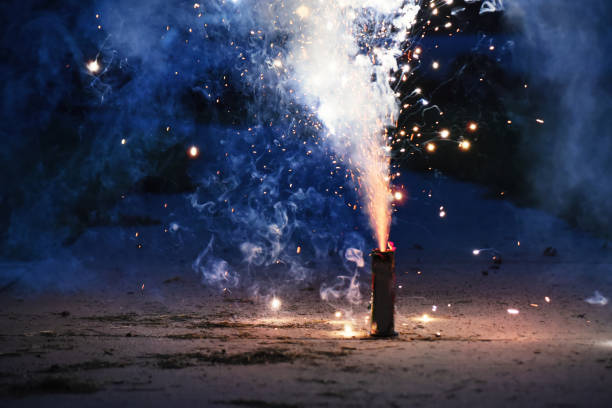
Fireworks: Dazzling Nights, Hidden Dangers
The Hidden Costs of Fireworks on Health, Environment, and Safety — And What We Can Do About It

Festive nights are incomplete without fireworks. From New Year’s Eve to national holidays and religious festivals, the sky transforms into a dazzling canvas of light, color, and sound. Fireworks have been a part of human celebration for centuries, symbolizing joy, triumph, and togetherness. But while they bring smiles and awe, experts warn that these
spectacular displays carry hidden costs for health, environment, and safety.
The Chemistry Behind the Sparkle
Fireworks are more than just pretty lights. They are carefully engineered mixtures of chemicals designed to produce color, light, and sound. Oxidizers like potassium nitrate sustain combustion, fuels such as charcoal or sulfur provide energy, and metal salts — strontium, copper, and sodium — create vivid reds, blues, and yellows. Binders hold the
mixture together, while added compounds generate loud explosions and sparkling effects.
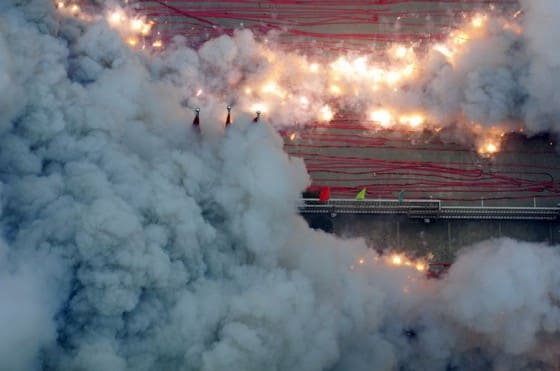
While the chemistry is fascinating, it is also environmentally hazardous. Every burst releases smoke, fine particulate matter (PM2.5 and PM10), and toxic chemicals into the air. Heavy metals like lead, barium, and cadmium — used to produce bright colors — can accumulate in soil and water, posing long-term ecological risks.
Air, Water, and Soil Pollution
Studies show that fireworks contribute significantly to air pollution, especially in urban areas. During festive periods, concentrations of fine particulate matter can spike,
sometimes exceeding safe levels by multiple times. These pollutants exacerbate respiratory problems, particularly for children, the elderly, and people with asthma.
Firework residues do not disappear with the smoke. Paper casings, metal fragments, and chemical residues settle on streets, parks, and rivers, contributing to soil and water contamination. Heavy metals can leach into groundwater or accumulate in aquatic ecosystems, affecting fish, plants, and other wildlife.
Noise pollution is another concern. The loud explosions of fireworks, often exceeding 120 decibels, disturb humans and animals alike. Pets, birds, and other wildlife experience stress, disorientation, and even injury from excessive noise.

Health Risks
The health effects of fireworks are not limited to pollution. Improper handling can lead to burns, eye injuries, and hearing damage. Hospitals often report an increase in firework- related accidents during festive seasons.
Dr. Ayesha Khan, a local health expert, says,
“Even brief exposure to firework smoke can trigger asthma attacks, while repeated exposure to metal particles may affect organs over time.”
Safety and Responsibility
Despite warnings, fireworks remain extremely popular. Authorities stress the importance of safety guidelines, such as maintaining a safe distance, supervising children, and properly
disposing of debris. Public awareness campaigns are gradually encouraging safer and more responsible practices.
Eco-Friendly Alternatives
To reduce the negative impact of fireworks, some cities are experimenting with eco-friendly alternatives. Drone light shows, laser displays, and biodegradable fireworks are gaining attention. These options provide the same visual spectacle but produce little to no smoke, reduce chemical pollution, and avoid loud explosions that disturb wildlife.
Communities that adopt these alternatives report improved air quality, reduced waste, and fewer firework-related accidents, while still preserving the celebratory spirit.
Conclusion
Fireworks remain a beloved part of cultural and festive traditions worldwide. However, their environmental and health costs cannot be ignored. By embracing safer, cleaner alternatives and celebrating responsibly, communities can enjoy the magic of fireworks without sacrificing public health or the environment.
As Dr. Ayesha Khan emphasizes, “It is possible to have dazzling celebrations while protecting our lungs, our wildlife, and our planet.”

Comments are closed, but trackbacks and pingbacks are open.