


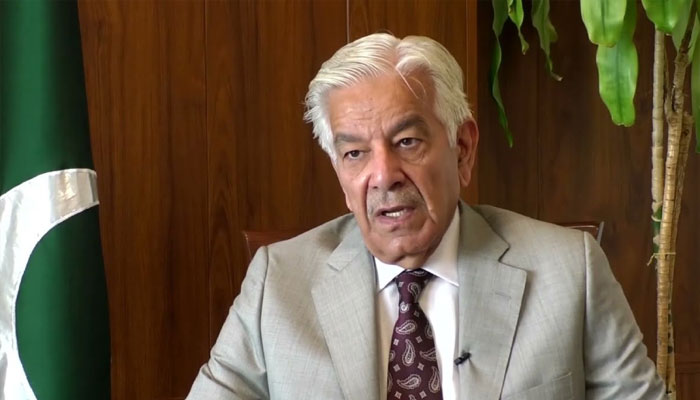

Islamabad – (Staff Reporter/Web Desk) – The Makkah pact nations are meeting in Islamabad on Thursday. A key topic will be the ongoing fight between Saudi Arabia and the Houthi group in Yemen. Pakistan’s Defence Minister Khawaja Asif shared this news.
Speaking to AFP, Asif said the constant unrest south of Saudi Arabia will be one of the main points on the agenda. He called it a very important issue. He also confirmed that defence and foreign ministers from Saudi Arabia, Turkiye and Pakistan will attend.
The three countries signed the pact in August. Under this deal, each nation has promised to help the others if any of them comes under attack.
Saudi Arabia has faced many attacks from the Houthis in recent months. The group has hit cities, oil sites and ships. These attacks grew after fighting in Yemen’s civil war became more intense in July.
Asif made the pact’s position clear. He said that under the agreement, any threat to Saudi Arabia is also a threat to Pakistan and Turkiye. He also praised the way Riyadh has handled the conflict. The Houthis still control large parts of Yemen, including the capital, Sanaa.
The pact was formed as war spread across the Middle East after US and Israeli strikes on Iran in February. Asif said the alliance is still in its early days. He explained that the members need to meet often in the coming months. The goal is to have a clear structure ready soon so the pact can move forward.
Asif did not say how the alliance would respond if Iran directly attacked Saudi Arabia. However, he named Israel as a possible danger to the region. He said the chance of Israeli aggression is real, so regional countries must stand together.
Pakistan has also played a big role in peace efforts. In June, it helped broker a deal that briefly stopped fighting between the United States and Iran. That deal also set out a plan for reopening the Strait of Hormuz and for talks on Iran’s nuclear programme.
But the truce later broke down. Both Washington and Tehran blamed each other for breaking it. Since then, Qatar and Pakistan have led months of talks to bring the ceasefire back.
Asif said Pakistan has played a very positive role between the two sides. Still, he warned that the peace process remains fragile and has not yet taken firm root.

Comments are closed, but trackbacks and pingbacks are open.