
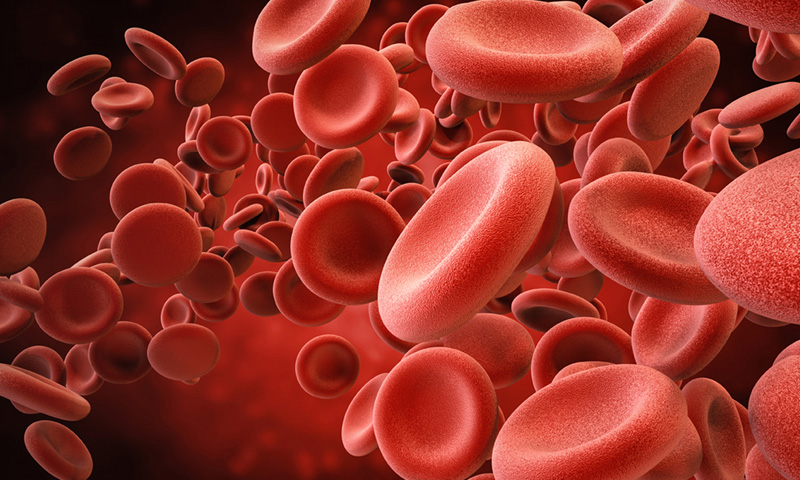
Cambridge Scientists Create Human Blood Cells from Stem Cells
The stem cells used in the study, known as hematopoietic stem cells, are primitive cells that can develop into any type of blood cell.

ISLAMABAD: Scientists at the University of Cambridge have developed a new method to generate human blood cells using stem cells, closely mimicking the natural process that occurs in the human embryo.
According to a report published in an international journal, this breakthrough could significantly advance research into blood disorders like leukemia and potentially lead to the long-term development of blood stem cells for future transplants.

The stem cells used in the study, known as hematopoietic stem cells, are primitive cells that can develop into any type of blood cell. These include red blood cells that carry oxygen and white blood cells that are essential for the immune system.
Read more: Health Experts Warn of Rising Viral Infections as Winter Approaches
Senior author Professor Azim Surani stated that while the research is still in its early stages, the ability to produce human blood cells in the lab is a major step forward for future regenerative therapies. Such therapies could repair damaged tissues using the patient’s own cells, offering hope for personalized medical treatments.

Comments are closed, but trackbacks and pingbacks are open.