
Bioremediation of Industrial Waste
Bioremediation of industrial waste uses living microorganisms — bacteria, fungi, and algae — to naturally degrade toxic pollutants from soil, water, and air. Discover how this cost-effective, eco-friendly process is transforming sustainable waste management.

By: Nargis Rafiq
Bioremediation of industrial waste is an environmentally friendly and sustainable approach that uses living organisms, primarily microorganisms such as bacteria, fungi, and algae, to degrade, detoxify, or transform hazardous pollutants into less harmful substances.
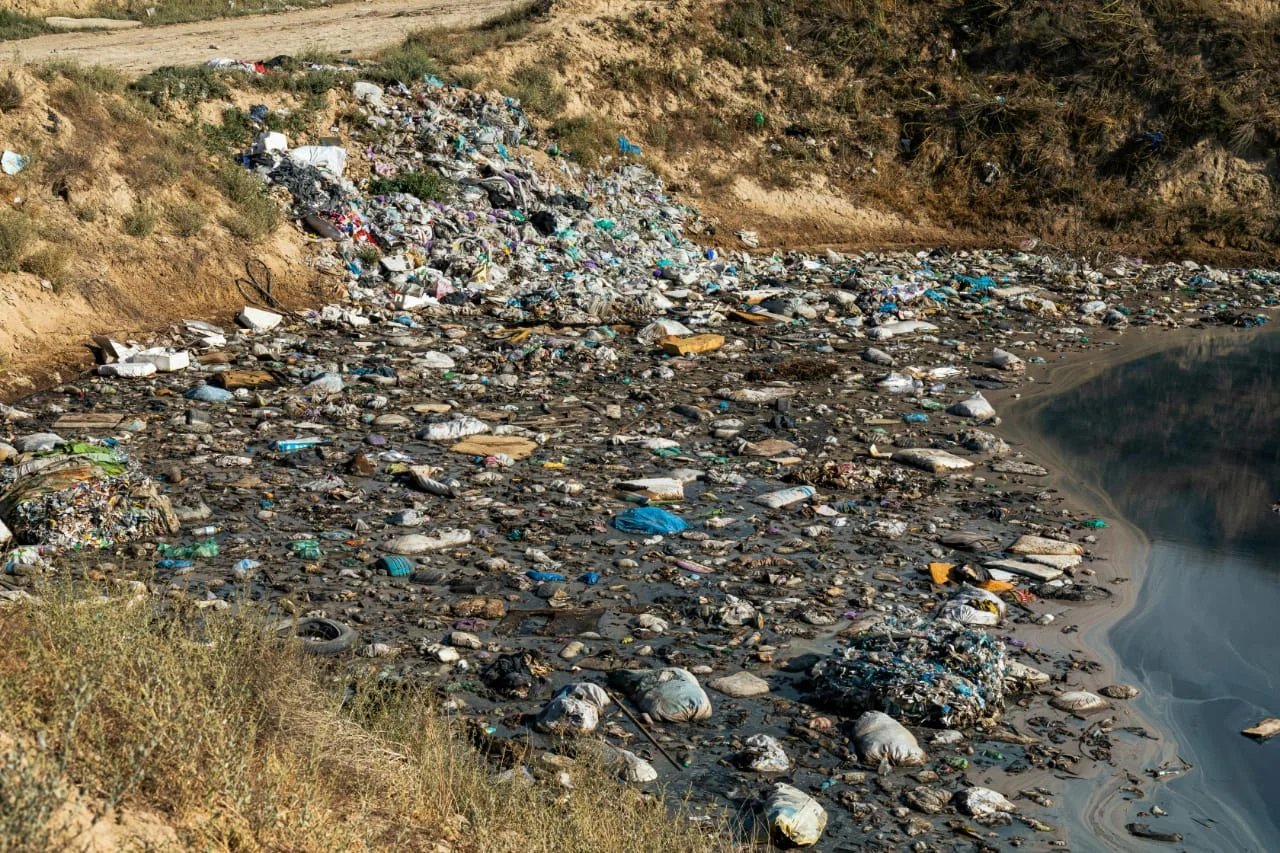
With the rapid growth of industrialization, large quantities of toxic waste—such as heavy metals, hydrocarbons, dyes, and chemical solvents—are released into the environment, contaminating soil, water, and air. Traditional methods of waste treatment, including incineration and chemical processing, can be expensive and may generate secondary pollution.
In contrast, bioremediation offers a natural and cost-effective alternative that harnesses biological processes to restore polluted environments.
One of the key mechanisms of bioremediation involves microbial metabolism, where microorganisms use pollutants as a source of energy or nutrients. For example, certain bacteria can break down petroleum hydrocarbons in oil spills, converting them into carbon dioxide and water.
Similarly, fungi are capable of degrading complex organic compounds such as dyes and pesticides through enzymatic activity.
There are two main types of bioremediation: in situ bioremediation and ex situ bioremediation. In situ bioremediation occurs directly at the contaminated site, minimizing disturbance and cost, while ex situ bioremediation involves removing contaminated material for treatment elsewhere under controlled conditions.

Bioremediation is particularly effective in treating industrial wastewater and soil contaminated with organic pollutants. Techniques such as bioaugmentation (adding specific strains of microorganisms) and biostimulation (enhancing the growth of existing microbes by adding nutrients or oxygen) are often employed to improve the efficiency of the process.
Additionally, phytoremediation, a subset of bioremediation, uses plants to absorb, accumulate, or detoxify pollutants, especially heavy metals, from soil and water.
Despite its many advantages, bioremediation also has certain limitations. The process can be slow and is highly dependent on environmental conditions such as temperature, pH, and oxygen availability.
Not all pollutants are easily biodegradable, and in some cases, intermediate by-products may still be toxic. Therefore, careful monitoring and optimization are required to ensure successful outcomes.
In conclusion, bioremediation represents a promising solution to the growing problem of industrial waste pollution. By leveraging natural biological processes, it reduces environmental impact while promoting ecological balance.
As research and technology continue to advance, bioremediation is expected to play an increasingly important role in sustainable waste management and environmental protection.
Comments are closed, but trackbacks and pingbacks are open.