


By Syed Mujtaba Rizwan
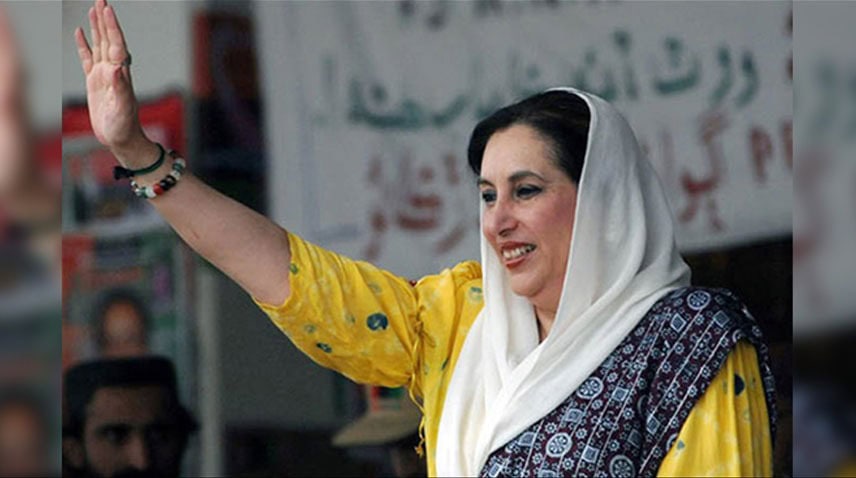
In the political and social history of Pakistan, there are certain personalities whose ideas become clearer and stronger with the passage of time. One such personality was Benazir Bhutto, who envisioned empowering women within Pakistani society. Her dream was not merely a political slogan but a vision of a society where women would be economically strong, able to make their own decisions, and actively contribute to the well-being of their families.
BISP Kafalat quarterly installment amount increased
To transform this vision into reality, the Benazir Income Support Programme (BISP) was established in Pakistan. This program is not simply a financial assistance initiative; rather, it represents the foundation of a social revolution aimed at supporting the most vulnerable segments of society, particularly women. Over time, several reforms and improvements have been introduced so that more women can benefit from the program.
According to the recent announcement, registered beneficiary women under the Benazir Kafaalat Program will now receive financial assistance of 14,500 rupees every quarter. Previously, this amount was 13,500 rupees, and it has now been increased by 1,000 rupees. At first glance, this increase may appear modest, but for families with limited sources of income, it can bring significant change. In an era of rising inflation where the prices of everyday necessities continue to increase, such financial support is nothing short of a blessing.
Authorities seal 20 BISP retailers’ centers over illegal deductions
Poverty in Pakistan is not merely an economic problem; it is deeply connected with social and educational challenges as well. When a household’s income is low, the first casualty is often children’s education. Keeping this reality in mind, the Benazir Taleemi Wazaif Program was launched to help children from deserving families continue their education. According to the recent decision, an additional 500 rupees has been added to this program.
This increase clearly demonstrates that the state is not only interested in providing immediate financial relief but is also committed to ensuring the education and better future of coming generations. Education remains the only path capable of breaking the cycle of poverty and guiding society toward development.
Similarly, keeping children’s health and development in mind, the Benazir Nashonuma Program has also been enhanced with an additional 500 rupees per child. In a developing country like Pakistan, child malnutrition is a major issue. Many families cannot afford proper nutrition, which negatively affects children’s physical and mental growth. The objective of this program is to provide better nutritional support to children from deserving families so they can lead healthier lives.
No Deductions Will Be Tolerated in BISP Payments: Rubina Khalid
All these measures are, in fact, part of the larger vision that Benazir Bhutto once articulated. She believed that if a society wanted to become strong, it must first strengthen its women. When a woman becomes economically empowered, the impact does not remain limited to her own life; the entire family and future generations benefit from it.
Even today, many women in rural Pakistan remain deprived of basic facilities. They not only face economic hardship but also struggle against social restrictions and traditional barriers. In such an environment, a program like the Benazir Income Support Programme becomes a ray of hope for these women.
This program provides direct financial assistance to women, which boosts their confidence and self-respect. When a woman has income in her own hands, she can better meet the needs of her children’s education, healthcare, and household requirements. This is precisely why welfare initiatives across the world prioritize women, as research shows that women tend to use resources more responsibly.
The recent increase in the Benazir Kafaalat Program essentially acknowledges that the difficulties faced by deserving families are intensifying during this period of inflation. It is the government’s responsibility to support vulnerable communities so that social inequality can be reduced.

27th: Bilawal says PPP won’t tolerate reversal of NFC or provincial rights.
Pakistan’s economy is currently facing various challenges. Global inflation, energy crises, and regional tensions are affecting economic stability. In such circumstances, social protection programs become even more important because they support those segments of society most affected by economic pressure.
It would not be wrong to say that the Benazir Income Support Programme is now among the largest social protection initiatives in Pakistan. Millions of women benefit from this program and are bringing positive change to their families’ lives.
A rural woman who once relied entirely on others is now contributing to her children’s educational expenses because of this program. A mother who once struggled to arrange medical care can now meet her children’s basic health needs. This is the kind of transformation that truly defines empowerment.
This program not only provides financial assistance but also strengthens women’s confidence and dignity. When a woman feels that the state stands beside her, it creates a new sense of hope and determination within her.
In a society like Pakistan’s, where women were historically excluded from economic participation, such initiatives can become the foundation of meaningful social change. If women are provided access to education, healthcare, and economic opportunities, they can play a vital role not only in their families’ development but also in the progress of society as a whole.
Benazir Bhutto’s dream was essentially a dream of a Pakistan where women are not weak but strong, not dependent but self-reliant, and not silent but owners of their own decisions.
Today, with initiatives such as increased support in the Benazir Kafaalat Program, Benazir Taleemi Wazaif Program, and Benazir Nashonuma Program, it feels as though that dream is gradually becoming a reality. This is not merely a program but an ideology — an ideology aimed at ensuring social justice and human dignity.
The journey is not yet complete. Many challenges still remain, and many households continue to live in the shadows of poverty and deprivation. But if such initiatives continue with consistency, the day is not far when every woman in Pakistan will truly be empowered and independent.
With this hope and conviction, Benazir’s dream still lives on today — a dream that lays the foundation for a strong, educated, and dignified society.


Comments are closed, but trackbacks and pingbacks are open.