
A New Era of GSP Plus: A Deep Evolution in Pakistan–EU Relations
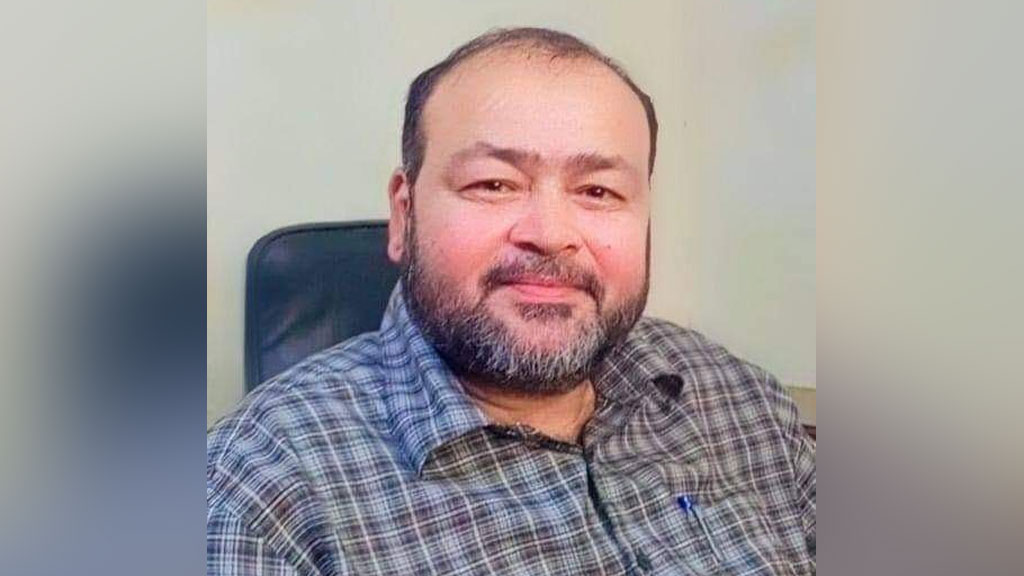
(By: Dr. Muhammad Tayyab Khan Singhanvi, Ph.D)

In the intricate and rapidly evolving landscape of international diplomacy, relations between Pakistan and the European Union are entering a significant new phase. The seventh Pakistan–EU Strategic Dialogue held in Brussels was not merely a routine diplomatic engagement; rather, it was a comprehensive framework outlining future bilateral economic and political priorities whose implications extend to Pakistan’s trade, investment climate, human rights policies, and regional diplomacy. The dialogue was co-chaired by Pakistan’s Deputy Prime Minister and Foreign Minister, Senator Ishaq Dar, and the EU High Representative and Vice President, Kaja Kallas. The Pakistani delegation included Foreign Secretary Amina Baloch and several senior diplomats. The progress achieved in this session has injected fresh momentum into the high-level engagements established in recent years.
Both sides unanimously concluded that future Pakistan–EU relations will be anchored in deeper cooperation in trade, investment, export diversification, and industrial advancement. The European Union remains Pakistan’s largest trading partner, and the preferential trade benefits extended under the GSP Plus framework over the past decade have revitalized Pakistan’s exports particularly the textile and garments sector. The session underscored the need to enhance the scope, stability, and sustainability of the GSP Plus arrangements. Mutual willingness was expressed to reinforce economic linkages during an era marked by global economic volatility, as such partnerships hold vital significance for economic growth and employment generation.
The European Union indicated that the GSP Plus Monitoring Mission is expected to visit Pakistan in the final quarter of the current year. This mission will meticulously assess Pakistan’s compliance with 27 international conventions concerning human rights, protection of minorities, women’s rights, enforced disappearances, child labour and forced labour, the implementation of capital punishment, and laws pertaining to blasphemy. It is important to note that securing GSP Plus status is not merely an economic undertaking, but a multidimensional process profoundly tied to diplomatic, legal, and societal reforms. Pakistan must demonstrate tangible progress in these areas to sustain its preferential access to global markets.
If Pakistan successfully retains its GSP Plus status, it will benefit from duty-free or significantly reduced-duty market access, enhanced competitiveness within European markets, substantial improvement in export volumes, opportunities to expand its industrial and agricultural sectors, and the potential for greater inflows of direct European investment. For these reasons, diplomatic and commercial circles in Pakistan view this dialogue as a milestone with far-reaching implications.

Another crucial dimension of the dialogue was the candid and extensive discussion on global developments. Representatives from Pakistan and the European Union exchanged perspectives on the geopolitical situation in South Asia, the evolving dynamics in Afghanistan, the crises in the Middle East, and broader geopolitical tensions. In the context of climate change, border conflicts, economic uncertainty, and emerging global alliances, both parties affirmed that addressing global challenges necessitates a coordinated, coherent, and mutually reinforcing policy approach.
Under the Strategic Engagement Plan, Pakistan and the European Union reiterated their commitment to strengthening cooperation in political and security matters, trade relations, development programs, climate change, energy, education, and technology. This progression reflects the mutual intent to evolve beyond conventional diplomacy toward a more comprehensive and long-term partnership.
While these developments present significant opportunities for Pakistan, they also entail substantial responsibilities. Relations with the European Union are not limited to economic or political dimensions; they are equally anchored in clear benchmarks related to human rights and legal reforms. Pakistan must pursue parliamentary reforms, safeguard civil liberties, protect minority rights, strengthen the judicial system, and meet global human rights obligations through swift and practical measures. Such steps are indispensable for fostering trust within international partnerships.
The seventh Strategic Dialogue in Brussels appears to signal the beginning of a new chapter in Pakistan-EU relations. The session has opened fresh avenues of economic cooperation and reshaped Pakistan’s diplomatic, commercial, and geopolitical posture amid shifting international realities. If Pakistan proceeds with seriousness, consistency, and strategic foresight, the attainment of GSP Plus status, enhanced market access in Europe, greater employment generation, increased exports, and an improved global standing are all within reach. This moment represents both an opportunity and a test for Pakistan one whose outcome will ultimately depend on the nation’s actions.


Comments are closed, but trackbacks and pingbacks are open.