


UN Agencies Warn Of Worsening Hunger In 16 Global Hotspots
Conflicts And Climate Disasters Threaten Food Security Across 16 Regions

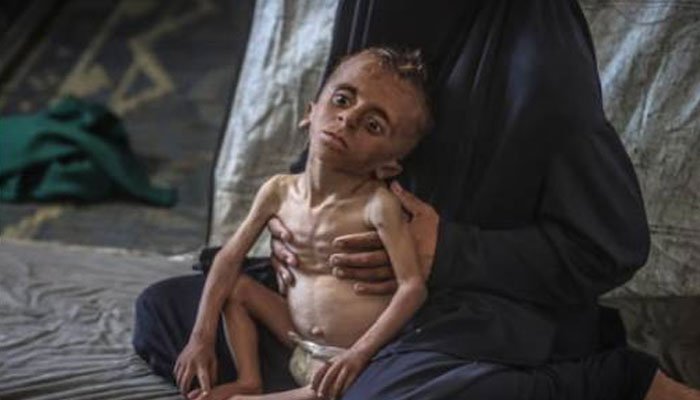
NEW YORK: (News Desk) – United Nations food agencies have warned that hunger and acute food insecurity could worsen over the next six months in 16 regions across the world, particularly in Africa, as armed conflicts, climate disasters and declining humanitarian assistance continue to threaten vulnerable populations.
In a joint report, the Food and Agriculture Organization (FAO) and the World Food Programme (WFP) identified Sudan, South Sudan, Somalia, northern Nigeria and Yemen as the areas facing the highest risk of food insecurity between December 2026 and May 2027.
The agencies cautioned that famine remains a serious possibility in parts of Sudan, including North Darfur, and South Sudan, where ongoing conflicts and mass displacement have further weakened already fragile humanitarian conditions.
Conflicts And Declining Aid Worsen Crisis
The report highlighted a rise of more than 15 per cent in political violence worldwide compared with the corresponding period a year earlier, resulting in alarming levels of displacement, particularly in South Sudan and Yemen.
Humanitarian assistance to the five countries facing the highest risk has also declined significantly. Funding fell by nearly two-thirds between 2022 and 2025, dropping from $5.1 billion to just $2 billion.
According to FAO and WFP, armed conflicts, economic shocks, extreme weather events and restrictions on humanitarian access remain the major drivers of food insecurity. However, declining financial resources have further weakened efforts to prevent the situation from deteriorating.
The agencies noted that previous humanitarian interventions had helped avert famine in several areas, but those improvements proved temporary, with severe food shortages and the risk of famine returning within a few years.
Afghanistan, the Democratic Republic of Congo, Palestine and Haiti were also classified as areas of very high concern. The Democratic Republic of Congo is additionally dealing with an Ebola outbreak, while escalating gang violence in Haiti has displaced around 1.5 million people and disrupted humanitarian operations.
New Regions Added To Hunger Hotspots
The latest assessment has added Chad, Uganda, Southern Africa and the Central American Dry Corridor to the list of hunger hotspots.
The Central American Dry Corridor, which stretches from Guatemala to Costa Rica, and parts of Southern Africa are expected to face serious agricultural challenges due to the effects of the El Nino weather phenomenon.
Mali, Myanmar and Madagascar are also included in the report’s list of vulnerable regions.
The UN agencies stressed that urgent and targeted humanitarian assistance is necessary to protect lives and livelihoods, particularly in areas where the threat of starvation and famine is most severe.
El Nino Could Push 49 Million More People Into Hunger
The report also warned that El Nino, a natural climate phenomenon involving the warming of ocean waters in the Pacific, could significantly worsen global food insecurity by disrupting rainfall patterns and triggering droughts, floods and severe storms.
According to the assessment, approximately 49 million additional people could face acute food insecurity by the end of 2027 due to the particularly intense El Nino conditions expected to continue through next spring.
Rainfall shortages and rising temperatures have already damaged crops in the Central American Dry Corridor and Eastern Africa, while threatening the upcoming agricultural season in Southern Africa.
Meanwhile, unusually wet conditions in parts of Eastern Africa through December are expected to increase the risk of flooding.
The Gaza Strip also faces additional challenges, as winter rainfall and localised flooding could further deteriorate living conditions for displaced families, damage already inadequate shelters and disrupt essential services and humanitarian operations.
The report emphasised that preventive measures, including climate-resilient seeds, improved protection of livestock, secure water supplies and timely humanitarian assistance, could help reduce the impact of the unfolding crisis.
However, FAO and WFP warned that their proposed response plan is facing a funding shortfall of $125 million, raising further concerns about their ability to support vulnerable communities.

Comments are closed, but trackbacks and pingbacks are open.