

AI Intelligence Error Nearly Triggers US Operation on Chinese Ship
A false AI-generated report almost pushed American forces to board a Chinese ship during heightened tensions this spring.

US vs China – (Special Correspondent/Web Desk) – An AI intelligence error nearly pushed the United States into a dangerous military standoff with China earlier this year. According to CNN, citing four sources familiar with the matter, US forces came close to boarding a Chinese ship after a false report claimed it was carrying nuclear weapons material.
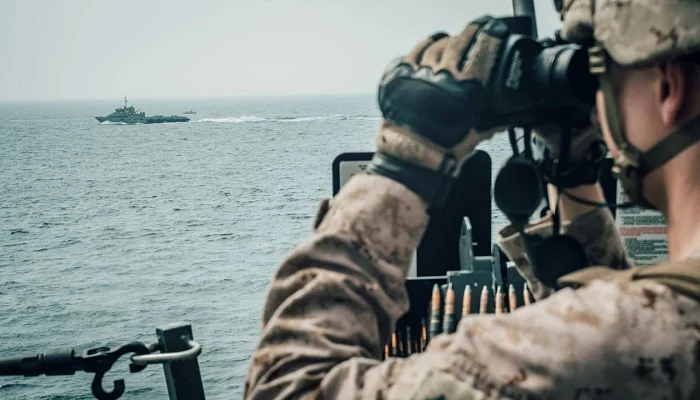
The incident happened this spring, during the height of tensions between the US and Iran. Military teams were already preparing for action. Armed personnel stood ready to board the vessel. Aircraft were in the air, waiting for the final order.
Then, just before the operation began, officials found something troubling. The intelligence report behind the mission was wrong. It had been created with help from an AI chatbot, and it contained a major mistake about what the ship was actually carrying.
Sources say a special operations analyst used the AI tool to study the ship’s cargo manifest. The system pulled together open-source data and secret intelligence. But it reached the wrong conclusion, wrongly linking the cargo to a nuclear weapons program.
The analyst then used AI again to turn these findings into an official report. That report spread through the military chain of command. One insider later called it “entirely false,” adding that it had almost sparked a war between two powerful nations.

This case shows how risky it can be when machines help make high-stakes military decisions. The US has been leaning more on AI to sort through intelligence, plan targets, and act faster in the field. Officials often argue this is necessary to keep up with rivals like China.
But this near-miss tells a different story. It shows what can go wrong when AI mistakes are not caught in time. If the operation had gone ahead, it could have triggered a serious clash between Washington and Beijing.
It remains unclear which AI chatbot was used in this case. It is also not known if it was a commercial tool or one built specifically for government use. Neither the Pentagon nor US Special Operations Command Pacific responded to requests for comment on the matter.
Sources close to the situation say this is not an isolated case. Similar AI-related mistakes have reportedly happened elsewhere within the intelligence community. As more agencies adopt these tools, the risk of similar errors is expected to grow.
Experts also warn about a bigger issue. As pressure builds to produce faster intelligence, analysts may start trusting AI output without double-checking it. That kind of blind trust, they say, could lead to serious and even dangerous consequences in the future.
For now, this incident serves as a warning. It highlights how a single AI intelligence error could shift the balance of global power, and how careful human oversight remains essential even as militaries rush to modernize.
Comments are closed, but trackbacks and pingbacks are open.