
Trump Helicopter FAA Investigation: Marine One Flight Probed After Safety Mishap
NTSB and Aviation Officials Look Into Near Miss Over Washington Skies

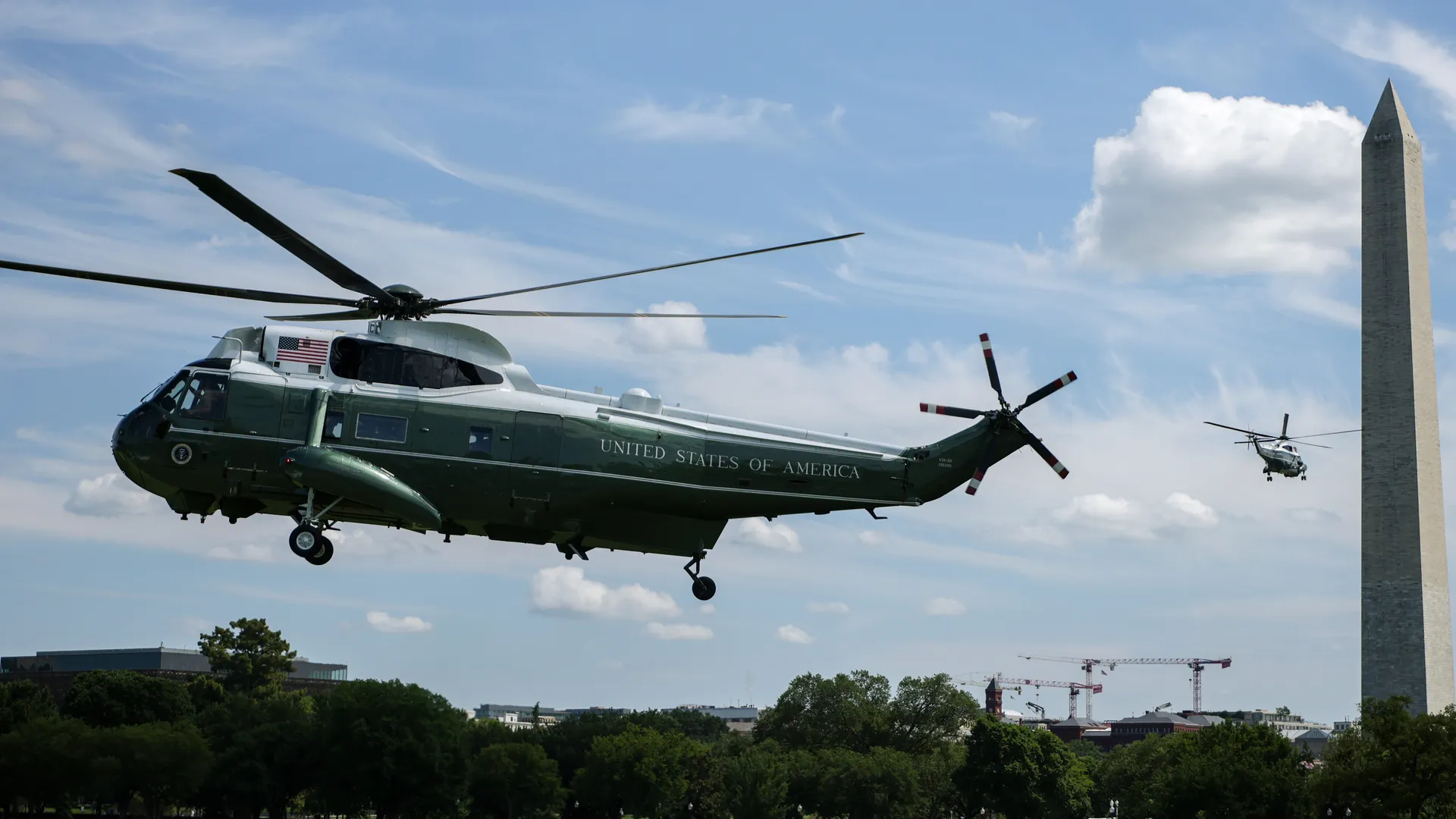
NEW YORK – (Special Correspondent/Web Desk) – President Trump’s helicopter ride turned into a serious safety matter this week. The Trump helicopter FAA investigation began after Marine One flew closer than allowed to a commercial plane near Washington, D.C. Officials say both aircraft moved apart quickly, and no one was hurt.
The incident happened on Tuesday afternoon. Marine One took off from the White House area, heading toward Joint Base Andrews. Around the same time, a regional passenger jet left Ronald Reagan Washington National Airport, bound for Florida.
For a short moment, the two aircraft came closer than safety rules allow. Aviation officials call this a “loss of separation.” It’s not a crash or a near-collision in the traditional sense. But it is a serious event that always gets checked.
The National Transportation Safety Board is now looking into what went wrong. The Federal Aviation Administration is also reviewing the case separately. Both groups want to know how the two aircraft ended up so close together.
An FAA spokesperson explained that air traffic controllers stayed in touch with both pilots the entire time. He also confirmed the president faced no danger during the event.
The White House quickly responded too. A spokesperson said Marine One pilots are among the best in the world. He added that safety teams continue working closely with the FAA and military officials to protect the president during air travel.
This isn’t the first safety concern near Reagan National Airport. In January 2025, a tragic mid-air collision near the same airport claimed dozens of lives. Since then, new rules have limited how helicopters and jets share that busy airspace.
Because of that earlier tragedy, this new incident is getting extra attention. Officials and lawmakers want to know if current safety rules are strong enough, especially with more air traffic every year.
Reagan National is one of the busiest and most complex airports in the country. Helicopters, private jets, and commercial planes all share tight airspace nearby. Add a presidential flight to the mix, and coordination becomes even more critical.
For now, both aircraft landed safely. No injuries were reported. But the investigation will likely take time, as officials review radio recordings, radar tracking, and pilot reports from both aircraft.
This event adds to a growing list of air-safety concerns in the region. Experts say tighter coordination and clear communication remain key to preventing future close calls.
As the investigation continues, more details are expected to come out. Officials promise updates once their review is complete. Until then, the public is left waiting to learn exactly how this close call happened, and what changes might follow.
Comments are closed, but trackbacks and pingbacks are open.