
Government Upgrades NIC Rules With QR-Based Digital Verification
Pakistan Modernises Identity System Under One Nation One Identity Vision

ISLAMABAD: (Web Desk) – Under the vision of One Nation – One Identity, the Government of Pakistan has officially notified major upgrades to the National Identity Card and Pakistan Origin Card frameworks, introducing QR-based verification, enhanced fraud controls, expanded biometric authentication, and improved citizen facilitation.
The amendments to the National Identity Card Rules, 2002 and Pakistan Origin Card Rules, 2002 were notified through S.R.O. 330(I)/2026 and S.R.O. 331(I)/2026 under Section 44 of the NADRA Ordinance, 2000, and published in the Gazette of Pakistan on February 24, 2026. These changes significantly modernise Pakistan’s identity ecosystem by legally embedding digital verification features into identity documents.
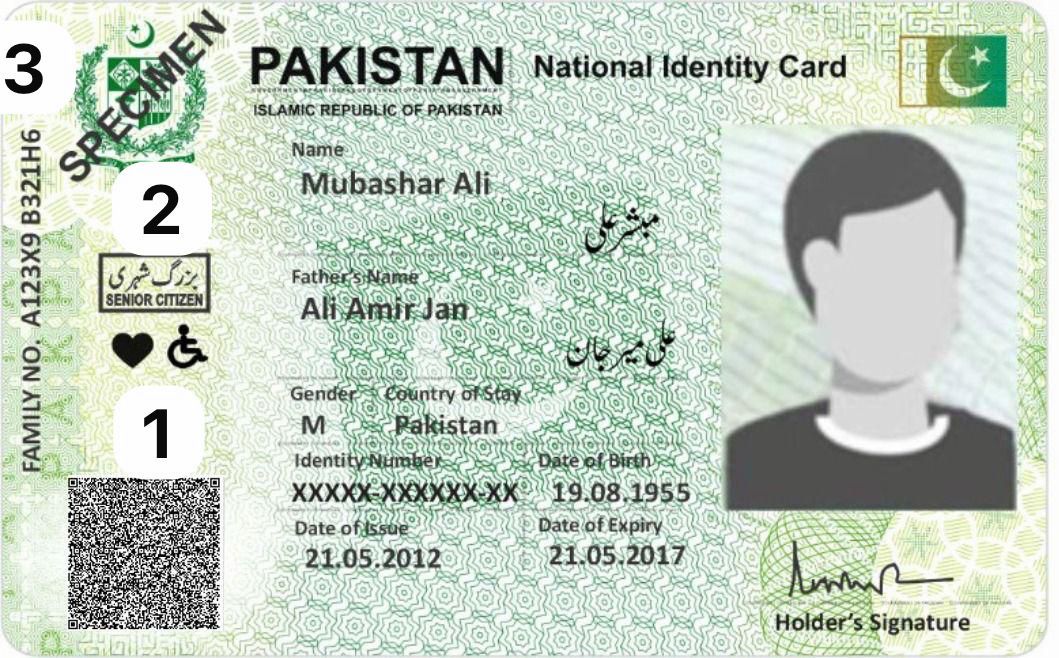
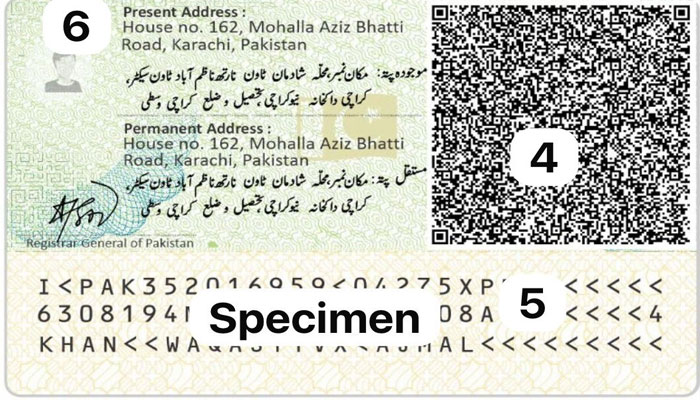
A key reform is the formal legal introduction of the Quick Response (QR) code as a defined security and verification feature. The Rules now recognise the QR code as a secure, machine-readable two-dimensional barcode capable of storing encoded identity data for rapid verification. The amendments also allow the use of “QR code or any other technological feature,” enabling National Database and Registration Authority to adopt evolving technologies without repeated legal changes.
This development establishes a strong legal foundation for fast and secure identity verification in both online and offline environments. It will also eliminate the need for separate microchip and non-microchip identity cards, allowing citizens to carry a single, standardised card format.
The QR-enabled framework strengthens Pakistan’s Digital ID ecosystem and supports interoperability through the National Data Exchange Layer. It allows instant front-end verification while enabling back-end authentication through trusted digital systems, improving efficiency, transparency, and consistency across government departments and regulated sectors, while reducing manual processing and fraud risks.
The amendments further tighten security by clarifying the consequences of card suspension. Once a card is suspended, all verification, authentication, and related services linked to it will stand suspended immediately, preventing misuse across digital and institutional platforms.
NADRA Launches Time-Bound CNIC Facilitation Program
Biometric security has also been reinforced through explicit inclusion of fingerprints and iris scans, reflecting a more advanced multi-modal biometric approach to identity assurance.
On the facilitation front, a major relief has been introduced for senior citizens. Residents and overseas Pakistanis aged 60 years and above will now be issued identity cards with a distinct senior citizen logo and lifetime validity, significantly reducing renewal requirements and enhancing convenience.
Additionally, the amendments standardise identification for residents of Azad Jammu and Kashmir by mandating a clear inscription indicating “Resident of Azad Jammu and Kashmir,” ensuring uniform geographic identification.
The Rules also update specimen formats across multiple identity categories, including resident citizens, overseas Pakistanis, child registration certificates, persons with disabilities, organ donors, combined categories, and AJK residents. All updated formats incorporate QR codes and enhanced security layouts, creating a unified and modern identity document architecture.
Overall, the amendments mark a major step toward secure digital governance by strengthening legal safeguards, improving biometric and digital authentication, reducing fraud risks, and expanding citizen-friendly measures—while aligning Pakistan’s identity system with global digital standards.
Comments are closed, but trackbacks and pingbacks are open.